Choosing cookware can be overwhelming. When considering "what is the best cookware material for everyday cooking," experts weigh in with differing opinions. Chef Sarah Thompson, a culinary consultant, states, "Quality materials enhance flavor and longevity in your kitchen." This highlights the significance of selecting the right materials for your cooking needs.
Various materials have their pros and cons. Stainless steel is durable and non-reactive, while cast iron offers excellent heat retention. Each option comes with trade-offs, such as weight or maintenance. Non-stick pans are convenient but may not last as long. It's crucial to assess your cooking style and preferences.
Reflect on how often you cook and what you prepare. Are you ready to invest in high-quality pieces? The choices you make today impact your culinary experience tomorrow. Evaluating information from credible sources is vital for making informed decisions. Understanding your options leads to better meals and a more pleasant cooking experience.
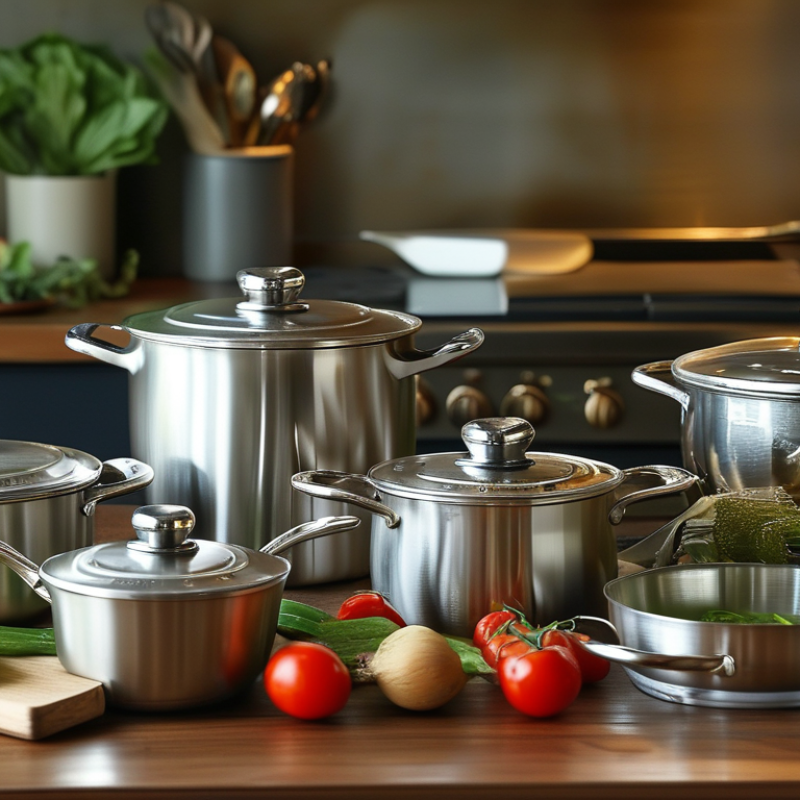
Types of Cookware Materials: An Overview of Common Options
When selecting cookware, understanding different materials is essential. Each type has unique properties, impacting cooking results.
Stainless steel is popular for its durability and resistance to rust. It's great for browning and braising. However, it doesn’t conduct heat evenly, which can be a drawback.
Cast iron is another option, known for its heat retention. It’s perfect for slow cooking and baking. Seasoning it properly enhances flavor, but it requires maintenance to prevent rust.
Non-stick pans are convenient for low-fat cooking. They are easy to clean and require less oil. Yet, wear and tear can diminish their efficacy over time.
Lastly, ceramic cookware offers a non-reactive surface, making it versatile for various dishes. It's aesthetically pleasing but can be prone to chipping.
Each material has strengths and weaknesses that merit consideration. Your choice should reflect your cooking style and preferences. Understanding these materials can enhance everyday cooking experiences.
Pros and Cons of Stainless Steel Cookware for Everyday Use
Stainless steel cookware is a popular choice in many kitchens. It offers durability and a sleek appearance. However, it does come with both advantages and drawbacks. Understanding these can help you make an informed decision.
One significant pro is its resistance to rust and corrosion. This means your cookware can last for many years with proper care. It's also non-reactive, allowing you to cook acidic foods without altering their taste. Stainless steel distributes heat evenly, reducing the risk of hot spots during cooking. Yet, this material can be less forgiving for beginners. Food may stick if not properly heated or seasoned.
On the flip side, stainless steel can be expensive compared to other materials. It doesn’t have the non-stick properties found in other cookware, which can be frustrating for some cooks. For high-heat cooking, stainless steel absorbs heat quickly, which can lead to burns if you're not cautious. Reflecting on these points, it's essential to weigh your cooking habits before deciding if stainless steel is right for you.
2026 Top Cookware Materials for Everyday Cooking
| Cookware Material |
Pros |
Cons |
Best Use Cases |
| Stainless Steel |
Durable, resistant to rust and staining, non-reactive |
Poor heat conductivity, can be expensive |
Searing, sautéing, boiling |
| Cast Iron |
Excellent heat retention, naturally non-stick when seasoned |
Heavy, requires special care and seasoning |
Braising, baking, frying |
| Non-Stick |
Easy to clean, great for low-fat cooking |
Coating can scratch, limited high-heat use |
Eggs, pancakes, delicate foods |
| Copper |
Excellent heat conduction, aesthetically pleasing |
Reactive with acidic foods, requires polishing |
Sauces, delicate cooking |
| Aluminum |
Lightweight, excellent heat distribution |
Can warp, reacts with acidic foods |
General cooking, baking |
Exploring Non-Stick Cookware: Benefits and Considerations
Non-stick cookware has gained immense popularity in everyday kitchens. This type of cookware simplifies cooking and reduces the need for excessive fats or oils. It allows food to slide off effortlessly, making cleanup a breeze. However, while the convenience is appealing, there are some essential factors to consider.
Health concerns related to non-stick coatings arise frequently. Some coatings may release harmful chemicals when overheated. This makes it crucial to choose wisely and follow usage guidelines. Cooking at high temperatures can damage your non-stick surface. Moreover, using metal utensils can scratch and compromise the coating’s integrity.
Durability varies significantly among non-stick options. Some can wear out quickly, requiring replacement sooner than expected. Investing in quality products makes a difference, but price does not always equate to reliability. Users often report dissatisfaction after a few months of use. Regular maintenance and gentle cleaning are essential to extend the life of your non-stick cookware. Understanding these aspects helps you make an informed decision that suits your cooking style.
The Role of Cast Iron in Everyday Cooking: Durability and Heat Retention
Cast iron cookware has long been celebrated for its durability and heat retention. This material's ability to withstand high temperatures makes it perfect for searing meats and roasting vegetables. Many home cooks appreciate how cast iron gets better with each use, developing natural non-stick properties over time. However, it requires proper care to maintain its longevity and performance. Seasoning is essential, as it protects the surface and enhances flavor.
Heat retention is another significant advantage. Cast iron retains heat evenly, ensuring consistent cooking results. It can go from stovetop to oven seamlessly, making it versatile for various recipes. Yet, it can be heavy and cumbersome, posing challenges for some users. If not handled carefully, it can chip or crack.
Some cooks may find it hard to handle the cleaning process. Soaking cast iron in water is not recommended, as it can lead to rust. While the benefits are clear, the realities of wielding this sturdy cookware aren’t always perfect. With careful management, though, cast iron can be a reliable companion in the kitchen.
Comparing Ceramic and Glass Cookware: Which is Better for Daily Meals?
When it comes to cookware materials, ceramic and glass are popular choices. Both offer unique benefits for daily meal preparation. According to a recent industry report, ceramic cookware provides excellent heat retention and even distribution. This leads to better cooking results, especially for dishes that require precise temperature control.
On the other hand, glass cookware allows for easy monitoring of food as it cooks. It does not react with food, which can be a crucial factor for health-conscious cooks. Research indicates that glass cookware can withstand high temperatures without leaching harmful chemicals. However, some find that glass can break easily and may not tolerate sudden temperature changes.
Choosing between ceramic and glass can be challenging. Each material has its pros and cons. Some home cooks find ceramic too heavy for everyday use. Others worry about glass shattering in the oven. Ultimately, the best choice depends on personal cooking habits and preferences. Consider what aspects matter most to you.
FAQS
: Stainless steel is durable and rust-resistant. It’s great for browning and braising foods effectively.
It doesn’t conduct heat evenly, leading to potential hot spots during cooking.
Cast iron retains heat well and is excellent for slow cooking and baking. It develops non-stick properties over time.
Proper seasoning is essential to prevent rust and maintain its surface integrity.
Non-stick pans reduce the need for oil and make cooking and cleanup easier. Food slides off effortlessly.
Some coatings can release harmful chemicals when overheated, making careful usage important.
Gentle cleaning and avoiding metal utensils can help maintain its effectiveness over time.
Ceramic cookware can be visually appealing but is prone to chipping, affecting its durability.
Yes, cast iron can be quite heavy, which may pose challenges during handling and storage.
Soaking cast iron in water is not recommended as it can lead to rust.
Conclusion
When considering what is the best cookware material for everyday cooking, it's essential to evaluate common options like stainless steel, non-stick, cast iron, ceramic, and glass. Each material has its unique pros and cons. For instance, stainless steel is renowned for its durability and resistance to rust, while non-stick cookware offers convenience with easy cleaning but may have concerns regarding longevity.
Cast iron is celebrated for its unparalleled heat retention and ability to enhance flavors, making it a favorite among many home cooks. In contrast, ceramic and glass cookware provide non-reactive surfaces and aesthetic appeal, but their performance can vary in terms of heat distribution and durability. By weighing these factors, cooks can determine which materials suit their daily cooking needs best.

 Flair Kitchen