How to Avoid Common Mistakes When Choosing Cookware?

Time:2026-10-07 Author:Madeline
0%

Choosing cookware can feel simple until a pan warps, a handle overheats, or eggs cling to its surface. Many shoppers focus on appearance, discounts, or brand reputation. They overlook heat distribution, cooking habits, stovetop compatibility, and maintenance requirements.

So, what are common mistakes when choosing cookware? One mistake is buying a heavy pan without checking its balance. Weight alone does not guarantee quality. A poorly balanced skillet can strain your wrist near a hot burner. Another mistake is choosing nonstick cookware for high-heat searing. Most nonstick surfaces perform better with moderate temperatures and suitable utensils. Stainless steel may suit browning, but it requires preheating and enough oil. Small details matter.

Lisa McManus, Executive Tasting and Testing Editor at America’s Test Kitchen, has said, “The best pan is the one that heats evenly, responds quickly, and feels comfortable in your hand.” Her point is practical. Cookware should match the person using it, not merely the recipe on the package. Check whether the base works with induction. Test the lid fit. Inspect the handle attachment. Confirm the oven-safe temperature.

I once assumed a heavier saucepan would last longer. That assumption was incomplete. Uneven heating caused scorching around the edges, even when the center looked fine. This guide examines those easily missed decisions. It also questions popular advice when it does not fit real kitchens, limited storage, or everyday budgets. The goal is not to find one perfect material. It is to choose cookware that performs reliably, safely, and realistically for your cooking routine.
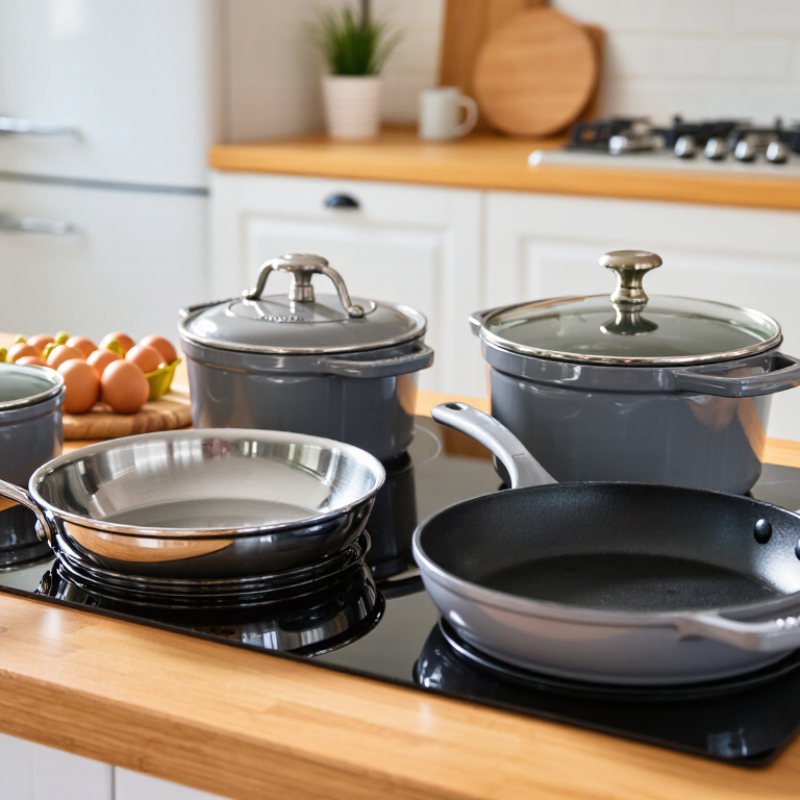
How to Avoid Common Mistakes When Choosing Cookware?

Identify Your Cooking Needs and Choose the Right Cookware Materials

Choosing cookware starts with your cooking habits, not an attractive finish. Think about your daily meals, stove type, storage space, and cleaning routine. A saucepan for oatmeal needs different qualities than a heavy skillet for searing steak.

The U.S. Department of Energy reports that induction cooking transfers about 85% of its energy to the pan. Gas cooking transfers roughly 32%. This difference matters in small kitchens and frequent cooking. Choose magnetic stainless steel or cast iron for induction. Stainless steel resists corrosion and handles high heat well. Cast iron holds heat beautifully, but it is heavy and needs drying after washing. Coated cookware releases delicate foods easily, yet high heat and metal utensils can shorten its life. I once bought a large pan for occasional meals. It looked impressive, but storing it became annoying. That choice was not entirely practical.

Tips: Match the material to the task. Use stainless steel for browning and sauces. Use cast iron for slow, even heat. Choose coated pans for eggs and quick cleanup. Check the manufacturer’s care guidance before using an oven or dishwasher. The U.S. Food and Drug Administration also advises following cookware instructions and avoiding damaged food-contact surfaces. Replace visibly flaking coatings. Not every expensive pan suits every kitchen. Your habits matter more than marketing claims.

Check Compatibility with Your Stove, Oven, and Kitchen Tools

Choosing cookware is not only about size, weight, or appearance. It must work with your stove, oven, and everyday tools. Check the base before buying. A flat, stable base suits electric and ceramic surfaces better. Induction cooking needs magnetic cookware, so test the material or read the specifications carefully. Gas burners create strong side heat. Heat-resistant handles feel safer during quick stirring.

Tips: Match the pan diameter to the burner. Avoid placing a small pan over a large flame. Confirm the maximum oven temperature for the body, lid, and handle. Some lids tolerate oven heat, while their knobs do not. Check whether metal utensils, silicone tools, or wooden spatulas suit the cooking surface. Measure your storage space too. A lid that cannot fit your cabinet may become a daily annoyance.

I once chose a deep pan that fit my oven but blocked the rack above it. The mistake seemed minor until a roast cooked unevenly. Leave room for air circulation and safe lifting. Removable handles can help, but they may loosen with repeated use. Check the locking movement before each cooking session. I also learned that “oven-safe” does not always mean “broiler-safe.” Read the care instructions, then question anything unclear. Compatibility is easy to overlook.

Compare Size, Weight, Shape, and Heat Distribution Before Buying

Choosing cookware by appearance alone can create daily problems. I learned this after buying a wide pan that looked practical but heated unevenly on my smaller burner. Its center browned food quickly, while the edges stayed pale. Size must match your stovetop and cooking habits. A pan that is too large wastes heat, while a cramped pan steams ingredients instead of searing them.

Weight matters more than many buyers expect. Lift the cookware with one hand, then imagine it filled with soup or vegetables. If your wrist feels strained in the store, it may become uncomfortable at home. Check the shape too. Tall sides suit sauces and stews, while shallow sides help evaporation and turning. A rounded interior can make stirring easier, but sharp corners may hold food residue. I sometimes overvalue capacity and forget storage space, so measure your cabinet before buying.

Tips: Hold the handle and tilt the pan gently. It should feel balanced, not front-heavy. Look for a flat base that sits firmly on your burner. Heat distribution is easier to judge through construction than appearance, so read technical specifications carefully. If possible, test how quickly the base responds to a low flame. Even heating is useful, but no cookware performs perfectly on every stovetop. Your cooking surface, burner size, and patience still matter.

Inspect Handles, Lids, Coatings, and Overall Construction

Choosing cookware requires more than comparing prices or counting pieces. I once overlooked a loose handle because the pan felt balanced. That mistake became obvious after one week. Grip the handle firmly, then twist it gently. It should not flex, wobble, or expose sharp edges. A heat-resistant connection also matters, especially near an active burner. The NFPA reported an estimated 166,100 home structure fires involving cooking equipment annually from 2016 to 2020. A secure handle can reduce avoidable movement during cooking.

Check the lid before checking the finish. It should sit evenly, hold its knob tightly, and allow controlled steam release. A glass lid needs clear, undamaged edges. Small chips can worsen with repeated heating. Coatings deserve closer inspection. Look for an even surface without bubbles, scratches, or bare patches. The FDA Food Code 2022 requires food-contact surfaces to be smooth, durable, corrosion-resistant, and easily cleanable. Marketing claims are not a substitute for those qualities.

Overall construction is easier to judge in person. Place the pan on a flat surface and check for rocking. Examine the base for even contact and the walls for consistent thickness. Multi-layer construction may improve heat distribution, but it can also add weight. I sometimes prefer a slightly heavier pan, though that judgment is not universal. Read care instructions carefully. Harsh tools and sudden temperature changes can shorten coating life, even when the cookware initially looks excellent.

How to Avoid Common Mistakes When Choosing Cookware? - Inspect Handles, Lids, Coatings, and Overall Construction
Inspection Area Common Mistake What to Check Reliable Indicators Warning Signs Practical Buying Tip
Handle Attachment Choosing a pan based only on appearance and ignoring how the handle is fixed. Inspect rivets, screws, welds, or other attachment points. Hold the cookware and gently move the handle. The handle feels rigid, sits evenly, and does not shift under light pressure. Loose movement, uneven attachment, sharp edges, or visible gaps around the joint. Prefer securely attached handles and check that fasteners are accessible for cleaning.
Handle Comfort Selecting a handle that looks attractive but becomes uncomfortable during use. Check the grip diameter, shape, surface texture, and balance when the cookware is empty. The grip feels stable, provides enough clearance from the pan body, and does not force the wrist into an awkward angle. Very thin grips, slippery surfaces, sharp transitions, or a handle that makes the pan feel front-heavy. Test the handle with the cookware tilted slightly, as if transferring food from the pan.
Handle Heat Protection Assuming every heat-resistant handle stays cool in every cooking situation. Review the cookware instructions for stovetop, oven, broiler, and maximum-temperature limits. Clear heat limitations and a handle design appropriate for the intended cooking method. No temperature guidance, exposed heat-sensitive materials, or a handle positioned directly over the burner. Use a dry oven mitt when handling hot cookware; do not rely solely on the handle material.
Lid Fit Buying a lid that is too loose, too tight, or not designed for the specific vessel. Place the lid on the cookware and rotate it gently. Check whether it sits evenly around the rim. A stable fit with controlled steam release and no excessive wobbling. Large gaps, rocking, rattling, an uneven rim, or a lid that becomes difficult to remove. Check the lid fit before purchase, especially when buying cookware and lids separately.
Lid Handle and Vent Ignoring whether the lid handle is secure or whether steam can escape safely. Check the lid knob or side handle, the attachment point, and any steam vent. The handle is firmly attached, easy to grip, and the vent is open and unobstructed. Loose hardware, blocked vents, sharp edges, or a handle that traps water after washing. Choose a lid that can be lifted safely with a dry cloth or mitt and cleaned thoroughly.
Coating Condition Choosing nonstick cookware without checking the coating for damage or uneven coverage. Examine the interior under bright light for scratches, blisters, peeling, discoloration, or bare spots. The cooking surface appears continuous, smooth, and free from visible defects. Flaking, bubbling, deep scratches, rough patches, or coating on the rim that appears uneven. Do not purchase cookware with visible coating damage, and follow the care instructions for the selected coating.
Coating Compatibility Assuming the cookware is suitable for metal utensils, high heat, or all cleaning methods. Read the care guidance for utensils, heat level, dishwasher use, and oven temperature. The stated maintenance requirements match the way you normally cook and clean. Instructions conflict with intended use or require care practices you cannot consistently follow. Select a material and coating based on cooking habits rather than relying on a generic “nonstick” label.
Base Flatness Overlooking a warped base that causes uneven heating or instability. Place the cookware on a flat surface and check for rocking. Inspect the base from several angles. The vessel sits firmly without rocking or visible distortion. A domed center, raised edge, wobbling base, or visible separation between the base and cooktop. Check flatness again after delivery, since damage can occur during transport.
Construction Thickness Choosing the lightest option without considering heat stability and durability. Compare the feel, wall thickness, base construction, and intended cooking tasks. The cookware feels solid but remains manageable, with a base appropriate for the heat source. Extremely thin walls, a fragile-feeling base, or excessive weight that makes safe handling difficult. Use heavier, thicker construction for high-heat searing or heat retention; prioritize lighter pieces for frequent lifting.
Rim and Pouring Edge Ignoring spills, drips, and sharp or uneven rims. Run a finger carefully along the exterior rim and inspect the pouring edge for symmetry. The rim is smooth, even, and shaped to control pouring where applicable. Burrs, dents, uneven lips, or edges that collect food residue. Choose a well-finished rim if you regularly transfer sauces, soups, or liquids.
Cooktop Compatibility Assuming all cookware works on induction, glass, ceramic, gas, and electric cooktops. Confirm the compatible cooktops in the product specifications and inspect the base design. The cookware is explicitly rated for your cooktop and has a stable, appropriately sized base. No compatibility information, an uneven magnetic base for induction use, or a base that is much smaller than the burner. Verify compatibility before purchase rather than relying on the material name alone.
Overall Balance Choosing cookware that is technically suitable but difficult to control safely. Hold the cookware as you would when stirring, lifting, and pouring. Check the center of gravity. The cookware remains stable when empty and feels controllable with one or both hands as intended. The handle pulls the pan sideways, the lid makes it top-heavy, or the vessel is awkward to lift. Match the size and weight to your strength, storage space, and typical serving quantity.
Cleaning and Maintenance Buying cookware with hard-to-clean joints, trapped moisture, or complicated care requirements. Inspect rivet areas, handle gaps, lid parts, seams, and surfaces that contact food. Smooth, accessible surfaces with minimal crevices and clear cleaning instructions. Food traps, inaccessible screws, porous areas, or components that cannot be dried properly. Choose construction that fits your cleaning routine; convenience often improves long-term care.
Final Check: Before buying, verify the cookware’s dimensions, weight, heat limits, cooktop compatibility, care instructions, and warranty terms against your actual cooking needs.

Review Maintenance Requirements, Safety Standards, and Product Value

How to Avoid Common Mistakes When Choosing Cookware?

Review Maintenance Requirements, Safety Standards, and Product Value

A beautiful pan can become frustrating when its care routine does not fit your kitchen. I once bought cookware that required handwashing, gentle utensils, and immediate drying. After a busy week, those instructions became easy to ignore. Check whether the surface tolerates dishwashers, metal tools, high heat, and occasional soaking. Also inspect the handle connection, lid fit, and storage needs before purchasing. Simple maintenance usually protects performance better than impressive packaging.

Safety deserves closer attention than appearance. Read the product documentation for food-contact materials, maximum temperatures, oven limitations, and suitable cooking surfaces. Look for clear testing information or recognized safety certifications from independent organizations. Coated cookware should not be used beyond its stated temperature range, especially under a broiler. Loose handles, sharp edges, and unstable bases are practical warning signs. Do not rely only on online ratings.

Value means more than a low price. Compare expected lifespan, replacement costs, energy use, and the time needed for cleaning. A heavy pan may distribute heat well, but its weight could make daily handling uncomfortable. A cheaper option may seem sensible, yet peeling surfaces or warped bases can create extra expense. I have also overpaid for features I rarely used. That mistake changed how I judge cookware: useful performance matters more than a long feature list. Choose the set that matches your cooking habits, cleaning patience, and safety expectations.

FAQS

Why should cookware have a flat, stable base?

A flat base contacts electric and ceramic surfaces evenly. It reduces wobbling and supports more consistent heating. Small gaps can matter.

How can I check if cookware works on induction?

Confirm that the cookware contains magnetic material. Read its specifications or test the base with a magnet. Do not guess.

How should pan size match a gas burner?

Match the pan diameter to the burner. Avoid placing a small pan over a large flame. Strong side heat may damage handles or coatings.

What should I check before putting cookware in an oven?

Confirm the maximum temperature for the pan, lid, and handle. Oven-safe does not always mean suitable for intense top heat. Check every part.

How can I inspect a cookware handle?

Grip it firmly and twist gently. It should not wobble, flex, or expose sharp edges. A loose handle can cause awkward lifting.

What makes a lid safe and useful?

The lid should sit evenly and have a secure knob. Inspect glass edges for chips. Controlled steam release is helpful during simmering.

How do I judge a cookware coating?

Look for a smooth, even surface without bubbles, scratches, or bare patches. Use suitable utensils. Harsh tools shorten coating life.

How can I check overall construction?

Place the pan on a flat surface and check for rocking. Examine the base and wall thickness. Heavier cookware may distribute heat better, but lifting can become tiring.

What storage details should I consider?

Measure your cabinet and shelf space before buying. A lid that cannot fit becomes a daily nuisance. I have underestimated this before.

Should removable handles be checked regularly?

Yes. Test the locking movement before each cooking session. Repeated use may loosen the connection. It is easy to overlook.

Conclusion

Choosing cookware becomes easier when you begin with your actual cooking habits rather than appearance alone. A key question is, “what are common mistakes when choosing cookware?” Many buyers select materials that do not suit their recipes, cooking frequency, or cleaning preferences. Before purchasing, consider whether the cookware works with your stove and oven, and whether its size, shape, weight, and heat distribution match your kitchen needs. Proper compatibility can improve cooking results and prevent unnecessary inconvenience.

It is also important to examine the construction carefully. Check that handles feel secure, lids fit properly, surfaces are evenly finished, and any coating is designed for safe, practical use. Think about how much maintenance the cookware requires, including washing, storage, and protection from scratches or damage. Finally, review safety information, durability, and overall value instead of focusing only on the initial price. A thoughtful comparison helps you avoid unsuitable products and choose cookware that is reliable, comfortable, and appropriate for everyday use.

Madeline

Madeline

Madeline is a dedicated marketing professional with a wealth of expertise in our company's core offerings. With a keen understanding of the industry, she brings a unique perspective to her role, consistently delivering high-quality content that highlights the superior aspects of our products. As......