How to Choose the Best Cookware for Induction Cooking?

Time:2026-07-19 Author:Liam
0%

Induction cooking is gaining popularity for its efficiency and precision. However, many home cooks struggle with the question of how to choose cookware for induction cooking. This task can seem daunting due to the variety of options available in the market. The right cookware enhances your cooking experience and ensures safety.

When selecting induction cookware, focus on materials such as stainless steel and cast iron, which are magnetic. You might find that not all pots and pans work well on induction cooktops. Some may even warp or heat unevenly. It's essential to look for flat bottoms to guarantee proper contact with the cooktop surface.

Also, consider weight and handle design. Cookware that is too heavy or unwieldy can be challenging to maneuver. While it’s easy to get overwhelmed, finding the right pieces involves trial and error. Don’t hesitate to seek expert recommendations or read reviews. This approach can lead to valuable insights.
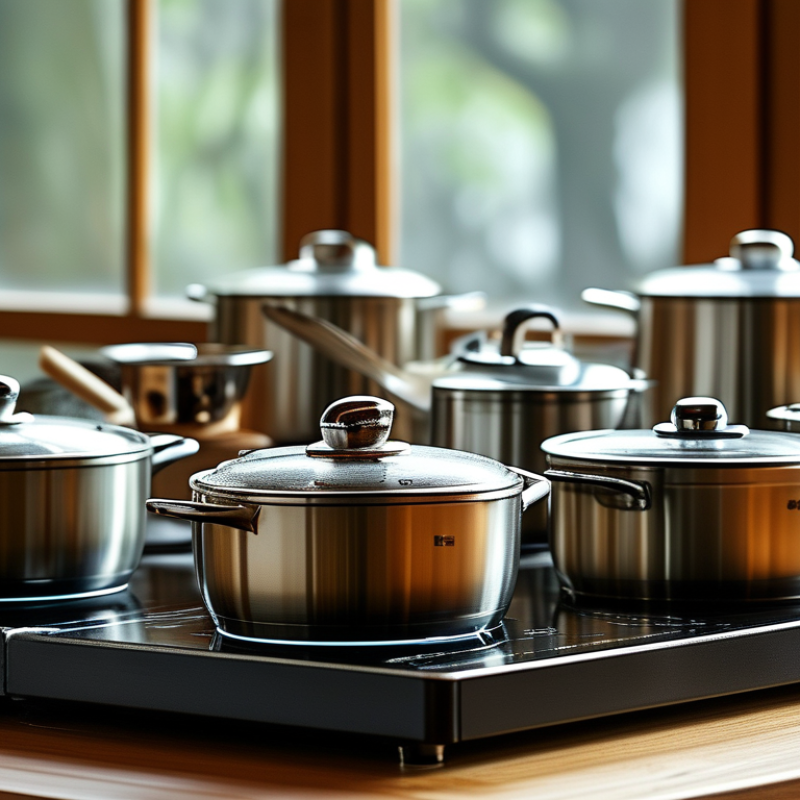
How to Choose the Best Cookware for Induction Cooking?

Understanding Induction Cooking and Its Requirements

Induction cooking is a modern method that uses magnetic fields to generate heat. It requires specific cookware to work effectively. Unlike traditional cooking methods, induction cooking heats the pan directly, making it more energy efficient. This method generates heat only when compatible cookware is in place. Therefore, understanding its requirements is essential for successful cooking.

Cookware for induction cooking must be ferromagnetic. A simple test involves using a magnet. If it sticks to the bottom, the cookware is likely compatible. Stainless steel and cast iron are ideal choices. However, not all stainless steel pans work. Some have layers that are not magnetic. This can be frustrating when you think you've chosen the right cookware.

Thickness matters too. Pans that are too thin may not heat evenly. They can lead to hot spots. Heat distribution is crucial for quality cooking results. Pay attention to the base's material and weight. Your cooking experience can vary based on these features. While it may seem simple, the right choices require research and careful consideration. Take the time to test your cookware. It can make your induction cooking both enjoyable and successful.

How to Choose the Best Cookware for Induction Cooking

Cookware Type Material Compatibility with Induction Heat Conductivity Durability
Stainless Steel Stainless Steel Yes Good High
Cast Iron Enamel-Coated Cast Iron Yes Excellent Very High
Aluminum Anodized Aluminum Yes (with magnetic base) Good Moderate
Copper Copper Core Yes (with magnetic layer) Excellent High
Non-Stick Various (with suitable base) Yes (if magnetic) Good Moderate

Key Materials Suitable for Induction Cookware

When selecting cookware for induction cooking, understanding the right materials is crucial. Induction cooktops use electromagnetic energy, requiring cookware that's magnetic. Stainless steel and cast iron are among the top choices. According to industry research, over 80% of induction-compatible cookware is made from these materials. They offer excellent heat retention and durability.

Aluminum, while lightweight and conductive, must have a magnetic base to work effectively on induction cooktops. This limits its effectiveness unless paired with another suitable material. Some consumers may find this mix confusing. Cookware made from copper is less common as it generally lacks magnetism. Interestingly, some manufacturers create copper-based cookware with a ferrous layer to make it induction-friendly.

The price point of quality induction cookware can be higher due to the sophisticated materials used. Reports suggest that investing in high-quality options yields better longevity and performance. Many users overlook the importance of seamless construction, which enhances heating efficiency. Ensuring the correct material is an essential first step for successful induction cooking.

Identifying the Right Thickness and Weight for Induction Cookware

When selecting cookware for induction cooking, pay close attention to thickness and weight. These factors influence heat distribution and cooking performance. Ideal cookware should be made from magnetic materials, such as stainless steel or cast iron. Thickness plays a crucial role in heat retention. Thicker pots and pans heat evenly, reducing hot spots.

Weight is another key consideration. Hefty cookware often translates to better stability on the induction cooktop. Lightweight options may wobble, causing uneven cooking. Always consider the balance between weight and ease of handling. You want something that feels sturdy but isn’t tiresome to lift.

Tips for selecting cookware: Look for a base of at least 3mm thickness. This will help achieve optimal cooking results. Test the weight by lifting the piece before purchasing. Additionally, examine the handle—ensure it's comfortable and secure. A well-designed handle reduces accidents and enhances safety. Remember, while aesthetics matter, functionality should be the priority. Implement these insights for a better cooking experience.

Evaluating Cookware Compatibility with Induction Cooktops

When selecting cookware for induction cooking, one must evaluate compatibility with induction cooktops. Induction cooktops work through magnetic fields, requiring specific materials for efficient heat transfer. Ideally, you need cookware made of ferrous materials. Cast iron, stainless steel, and certain enamel-coated pans are solid choices. According to industry reports, about 70% of cookware on the market is compatible. However, this statistic can be misleading, as not all stainless steel is created equal.

Check for a magnetic base using a magnet. If it sticks, it’s induction-compatible. Also, consider the flatness of your cookware. Uneven surfaces can lead to inefficient heating. Research indicates that flat-bottomed cookware heats more evenly, reducing cooking time by up to 30%. It’s essential to look for guidelines from manufacturers, as some may contain coatings that affect induction performance.

However, not all induction-compatible cookware performs the same. Some lightweight options may warp over time. Others might not distribute heat uniformly. Relevant studies suggest that heavier cookware often provides better heat retention. Selecting the right cookware requires balancing material, weight, and design while keeping performance concerns in mind.

Essential Features to Look for in Induction Cookware Sets

When choosing cookware for induction cooking, focus on essential features. Not all cookware is compatible with induction cooktops. Look for magnetic properties. A simple magnet test can save you time. If the magnet sticks, you can use that cookware on an induction stove.

Another critical feature is the material. Stainless steel is excellent for its durability and heat retention. Cast iron works well too. It provides excellent heat distribution, but it can be heavy. Non-stick options are available, but ensure they are induction-compatible. They can make cooking and cleaning easier.

Tips for selecting the right cookware: Check the base. A flat, smooth bottom ensures even cooking. Thickness matters; heavier bases often deliver better heat control. Always consider handles; they should be sturdy and cool to the touch. While aesthetics are important, prioritize functionality. Reflect on your cooking habits to pick the best set. Choose wisely, as good cookware can elevate your culinary experience.

FAQS

: What is induction cooking?

: Induction cooking uses magnetic fields to generate heat. It heats cookware directly and is energy efficient.

What type of cookware is needed for induction cooking?

Cookware must be ferromagnetic. Stainless steel and cast iron are commonly used.

How can I test if my cookware is compatible?

Use a magnet. If it sticks, the cookware is likely suitable for induction cooking.

Does all stainless steel cookware work with induction?

No, some stainless steel pieces have non-magnetic layers. This can be frustrating.

Why is the thickness of cookware important?

Thicker cookware heats evenly, while thinner cookware may develop hot spots.

How does weight affect cookware performance?

Heavier cookware provides stability and prevents wobbling during cooking.

What should I look for in induction cookware?

Aim for a base with at least 3mm thickness for better cooking results.

Can aluminum cookware be used on induction cooktops?

Yes, but only if it has a magnetic base attached.

Is it worth investing in high-quality induction cookware?

Yes, better materials often lead to longer longevity and improved performance.

What should I consider when choosing a handle on cookware?

Ensure the handle is comfortable and secure to enhance safety during use.

Conclusion

Choosing the right cookware for induction cooking involves understanding the unique requirements of this cooking method. First and foremost, it's essential to recognize that induction cooking relies on magnetic properties, meaning only specific materials like stainless steel or cast iron will work. When considering how to choose cookware for induction cooking, pay attention to the thickness and weight of the pans, as these factors can significantly impact cooking efficiency and heat distribution.

Furthermore, compatibility with induction cooktops is critical; always look for a pot or pan that has an induction symbol on the bottom. Essential features to search for in induction cookware sets include a flat bottom for proper contact with the cooktop, ergonomic handles for comfortable handling, and durable construction to withstand the demands of everyday cooking. By focusing on these guidelines, you can ensure effective and enjoyable induction cooking experiences.

Liam

Liam

Liam is a dedicated marketing professional with a profound expertise in the industry, where he excels at highlighting the unique advantages of our core products. With a keen understanding of market trends and consumer needs, Liam frequently updates our company’s professional blog, providing......