How to Choose the Right Cookware for Your Kitchen

Time:2026-11-01 Author:Charlotte
0%

Choosing cookware can feel like a choice between gleaming stainless steel, heavy cast iron, and a stack of nonstick pans. The best set is not necessarily the largest or most expensive. It should suit what you cook, the heat source you use, and the care you can realistically give it. For anyone researching how to choose the right cookware for your kitchen, start with your everyday meals: eggs on a quiet weekday morning, soup simmering for an hour, or vegetables searing in a hot pan. Each job places different demands on a pan.

Chef and food-science television host Alton Brown is often quoted as saying, “The only unitasker allowed in my kitchen is a fire extinguisher.” That is a useful reminder to favor versatile pieces, not a cupboard full of specialty tools. A stainless-steel skillet and saucepan can handle many tasks, while cast iron holds heat well and nonstick makes delicate foods easier to release. But no material wins every time. Check whether cookware works with your stovetop, feels comfortable when lifted, and has care instructions you will actually follow. A heavy pan may brown beautifully, yet feel awkward on a small burner. That trade-off matters. There is no perfect cookware set, and advice can oversimplify the decision. Begin with a few reliable pieces, notice what you reach for, and add thoughtfully. Your kitchen habits—not a trend—should guide the choice.
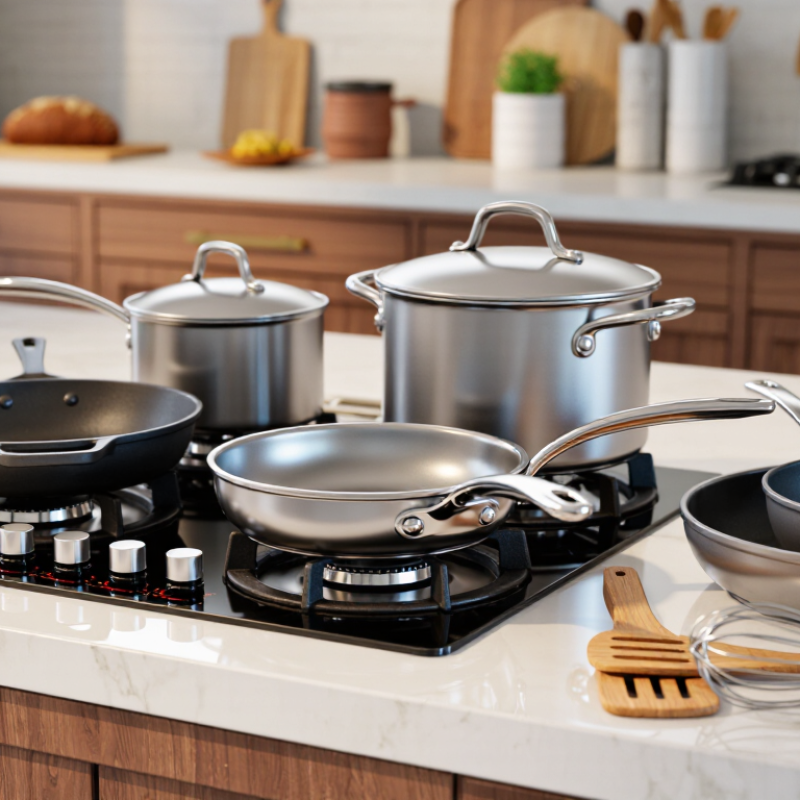
How to Choose the Right Cookware for Your Kitchen

Identify Your Cooking Habits and Kitchen Needs

Before choosing cookware, notice what you actually cook during a normal week. Do you simmer soups, sear vegetables, fry eggs, or bake casseroles? A pan suited to daily meals matters more than a complete matching set. Consider serving sizes, too. A small saucepan may suit one person, while a family often needs a wider skillet and a roomy pot. Be honest about cupboard space.

Tips: For one week, jot down the meals you make and the pans you reach for. Measure your shelves and check your cooktop type before buying. Keep it simple. A practical shortlist is more useful than an ambitious collection you rarely use.

Think about how much care your routine allows. Some cookware needs gentle cleaning or careful temperature changes; that may feel tedious after a busy dinner. Check care instructions and whether the base works with your stove. If you cook quickly, easy handling may matter more than a specialty pan. It is easy to overestimate how often you will make elaborate dishes, so choose for the meals you genuinely enjoy.

Compare Cookware Materials and Heat Properties

Stainless steel heats steadily when it has an aluminum or copper core, but plain stainless can develop hot spots. It handles acidic sauces well and tolerates browning with a little patience. A cold pan can make food stick, so let it warm before adding oil. Small detail, big difference.

Aluminum responds quickly to changes in heat, which helps when simmering delicate sauces. It is lightweight, though uncoated aluminum may react with acidic foods. Copper also changes temperature rapidly, but it can require more care and is often paired with another metal. Cast iron warms slowly and holds heat for a long time. That makes it useful for searing, but a thick skillet may take longer to cool than expected. Carbon steel behaves similarly, with less weight in many pans.

Nonstick cookware releases eggs and pancakes easily, especially at lower to medium heat. Its surface can wear, so follow the maker’s care instructions and avoid overheating an empty pan. There is no perfect material. I once chose a heavy skillet for everyday cooking, then found its weight annoying during cleanup. Consider what you cook, how quickly you want a pan to respond, and whether you enjoy maintaining it. A pan’s handle, weight, and heating speed matter more than a neat-looking set.

Match Cookware Shapes and Sizes to Cooking Tasks

Cookware works best when its shape suits the food and the space on your hob. A wide skillet gives eggs, fish fillets, and vegetables room to brown instead of steam. Choose a 10- or 12-inch pan for everyday meals, but check that its base sits flat over the burner. Too wide, and the edges may heat slowly. Too small, and ingredients crowd together. Small details matter.

A saucepan’s tall sides help limit splashes when you simmer oatmeal, warm soup, or make a small batch of sauce. A 2-quart size suits modest portions; a larger pot is handier for pasta or family servings. For browning meat before adding liquid, a sauté pan with straight sides offers more usable space than a sloped skillet. It is easy to overlook handle clearance, though. A pan that fits the recipe may still bump against another pot.

Match deeper stockpots to broth and large batches, not quick meals that need frequent stirring. A broad, shallow roasting pan lets vegetables spread out and caramelize; piled-up pieces tend to soften. Check your cupboard and sink, too. The biggest pot may look versatile, but it can be heavy to lift when full and awkward to wash. There is no perfect size for every task, and a slightly smaller pan is sometimes the one you reach for most.

Check Cooktop Compatibility, Care, and Safety

Before buying cookware, match its base to your cooktop. Induction requires magnetic cookware; a refrigerator magnet can help check the base. On glass or ceramic surfaces, choose flat, smooth bottoms that sit steadily and are less likely to scratch the top. Gas burners accommodate more shapes, but handles should remain clear of the flame. A small mismatch can mean slow heating or an unstable pan.

Care and safety depend on the material and its condition. Read the maker’s instructions for oven limits, dishwasher use, and suitable utensils. Avoid heating an empty coated pan, and use moderate heat unless the instructions say otherwise. Let hot cookware cool before washing; sudden temperature changes can warp some pans or damage glass. Check handles, lids, and cooking surfaces regularly. A loose handle is not a minor detail. It can make a full pan difficult to control. It is easy to focus on appearance and overlook how a pan will be cleaned every day.

Tips: For induction, test the base with a magnet. Lift pans on glass cooktops instead of sliding them. Use oven mitts, and keep handles turned away from the edge. If care instructions are missing, look them up before using high heat.

How to Choose the Right Cookware for Your Kitchen - Check Cooktop Compatibility, Care, and Safety

Cookware Type Cooktop Compatibility Care and Maintenance Safety Considerations Best For
Stainless Steel Generally suitable for gas, electric coil, and smooth-top electric cooktops. Induction-compatible when the base is magnetic. Wash with warm, soapy water. For stuck-on food, soak the pan before cleaning. Follow the manufacturer’s guidance for dishwasher use. Handles can become hot during cooking. Use oven mitts, and lift rather than slide pans on glass cooktops to help prevent scratches. Everyday cooking, browning, sautéing, and sauces.
Cast Iron Works on gas, electric coil, and smooth-top electric cooktops. Most cast iron is induction-compatible. For uncoated cast iron, dry thoroughly after washing and apply a light coat of cooking oil when needed. Enamel-coated versions have different care requirements. Cast iron is heavy and retains heat for a long time. Lift it carefully, protect hands and surfaces, and avoid sudden temperature changes with enamel-coated cookware. Searing, frying, slow cooking, and dishes that benefit from steady heat.
Nonstick-Coated Cookware Compatibility depends on the pan’s base. Check the product markings; induction requires a magnetic base. Use non-abrasive utensils and cleaning tools. Handwashing can help preserve the coating, even when the cookware is labeled dishwasher-safe. Use low to medium heat unless the manufacturer specifies otherwise. Do not leave an empty pan heating unattended, and replace cookware if the coating is peeling or badly damaged. Eggs, pancakes, and other foods that tend to stick.
Aluminum Works on gas and many electric cooktops. Plain aluminum is not usually induction-compatible unless it has a magnetic layer or base. Follow the manufacturer’s cleaning instructions. Avoid abrasive cleaners if the surface has a nonstick or other delicate finish. Check that handles are secure and suitable for the cooking temperature. Use caution when moving a hot pan, as aluminum heats quickly. Lightweight pans for quick, even heating.
Copper Generally works on gas and electric cooktops. It is not usually induction-compatible unless designed with a magnetic base. Clean according to the lining and finish instructions. Avoid abrasive cleaning on polished or lined surfaces. Check the lining condition regularly and follow the manufacturer’s advice if it is worn or damaged. Handles can become hot during use. Temperature-responsive cooking, such as sauces and delicate preparations.
Carbon Steel Suitable for gas, electric coil, and many smooth-top electric cooktops. Most carbon steel pans work with induction. Uncoated pans typically need seasoning. Dry promptly after washing and apply a thin layer of oil to help protect against rust. The pan and handle can become very hot. Use heat protection, and avoid dragging the pan across glass cooktops. Searing, stir-frying, and high-heat cooking.
Glass or Ceramic Cookware Compatibility varies by product. Many pieces are intended for ovens rather than direct cooktop use; use on a cooktop only when the manufacturer explicitly permits it. Allow the cookware to cool as directed before washing. Avoid sudden temperature changes and check for chips or cracks before use. Damaged cookware may break during heating. Do not place a hot piece on a cold or wet surface, and follow the stated temperature limits. Oven baking and serving, when the product is rated for those uses.

Before buying: Check the cookware’s base and manufacturer instructions for your exact cooktop type, oven limits, cleaning method, and utensil recommendations. For induction, a magnet that firmly sticks to the cookware’s base is a useful preliminary check, but the product’s compatibility marking is the more reliable guide.

Choose Cookware That Fits Your Budget and Kitchen space

Choose a cookware budget before browsing. Set a ceiling, then reserve part of it for replacement lids or one essential pan. Houzz’s 2024 U.S. Kitchen Trends Study reported a $55,000 median spend for major kitchen remodels. That figure covers renovation, not cookware, but it shows why the two budgets should stay separate. A modest, well-chosen set can be more useful than a large collection.

Space matters just as much. National Kitchen & Bath Association planning guidelines recommend a 42-inch work aisle for one cook and 48 inches for multiple cooks. Measure drawers, shelves, and the space beside your stove before buying. Check cabinet height for tall stockpots, too. Small kitchens punish duplicates.

Choose pieces that fit your actual meals: perhaps a saucepan, a skillet, and a pot you can lift comfortably when full. A 10-inch skillet may serve one or two people; a wider one needs more storage and burner space. A useful, imperfect rule: buy for your busiest ordinary week, not an imagined dinner party. I’d still leave room for one mistake—needs change. Avoid sets with pieces you cannot store or expect to use.

How to Choose the Right Cookware for Your Kitchen

Choose cookware that fits your budget and kitchen space. Compare the approximate surface footprint of common skillet sizes before deciding what will fit your storage.

Areas are calculated from nominal skillet diameters using the circle-area formula (π × radius²): about 50, 79, and 113 square inches. This is a geometric estimate, not the usable flat cooking area. Measure your cabinet or drawer before buying, and consider starting with one versatile 10-inch skillet if you want to keep costs and storage needs modest.

FAQS

How can I choose cookware that fits my routine?

Track the meals you cook for one week. Note which pans you actually reach for, not the elaborate dishes you rarely make.

What should I measure before buying a pan?

Check your cupboard shelves, serving sizes, and cooktop type. A roomy skillet can be awkward if it barely fits.

Which material works well for acidic sauces?

Stainless steel handles acidic sauces well. A pan with an aluminum or copper core heats more steadily than plain stainless steel.

How can I reduce sticking with stainless steel?

Let the pan warm before adding oil. A cold pan can make food stick. Small detail, big difference.

What cookware responds quickly to heat changes?

Aluminum and copper respond quickly, which can help with delicate sauces. Uncoated aluminum may react with acidic foods, though.

When is cast iron a practical choice?

Cast iron holds heat for searing and browning. It also cools slowly, and a heavy skillet may feel tiring after dinner.

Is nonstick cookware useful for everyday meals?

It can release eggs and pancakes easily, especially over low or medium heat. Avoid overheating an empty pan, and follow its care instructions.

Should I buy a matching cookware set?

Not necessarily. Choose a few pans for your regular meals, available storage, and cleaning habits. I once chose a heavy everyday skillet and regretted the cleanup.

Conclusion

How to choose the right cookware for your kitchen starts with understanding how you cook and what you need most. Consider the meals you prepare regularly, how many people you serve, and whether you prefer quick weeknight cooking or longer, more involved recipes. Compare materials by their heat response, durability, weight, and care requirements, since each can affect cooking results and everyday convenience. Then match pan shapes and sizes to your usual tasks, from frying and sautéing to simmering and baking.

Before buying, check that the cookware works with your cooktop and can be cared for safely and easily. Think about storage space as well as your budget, and prioritize versatile pieces you will use often over a large collection of rarely needed items. A thoughtful choice can make cooking more comfortable and help your cookware suit both your kitchen and your routine.

Charlotte

Charlotte

Charlotte is a seasoned marketing professional with a deep understanding of the company's portfolio and a passion for elevating its presence in the market. With a keen eye for detail and a commitment to excellence, she ensures that our professional blog is regularly updated with insightful articles......