Cooking is an art, but maintaining cookware is often overlooked. Many people struggle with how to clean cookware without damaging it. According to the American Cleaning Institute, 70% of consumers admit to using the wrong cleaning techniques, which can lead to damage. Using incorrect methods can result in scratches, discoloration, and reduced lifespan of your kitchen tools.
Professionals recommend specific cleaning practices based on cookware materials. For instance, non-stick pans require gentler cleaning solutions, while stainless steel can withstand tougher scrubbing. Data from Consumer Reports shows that proper maintenance can extend the life of cookware by up to 50%. This emphasizes the importance of knowing how to clean cookware without damaging it.
Even experienced chefs make mistakes. They might use abrasive cleaners on delicate surfaces. The result? Lost shine and functionality. Understanding the right way to care for each piece is crucial for both amateurs and seasoned cooks alike. This article explores effective methods to clean your cookware safely and keep it in top condition.
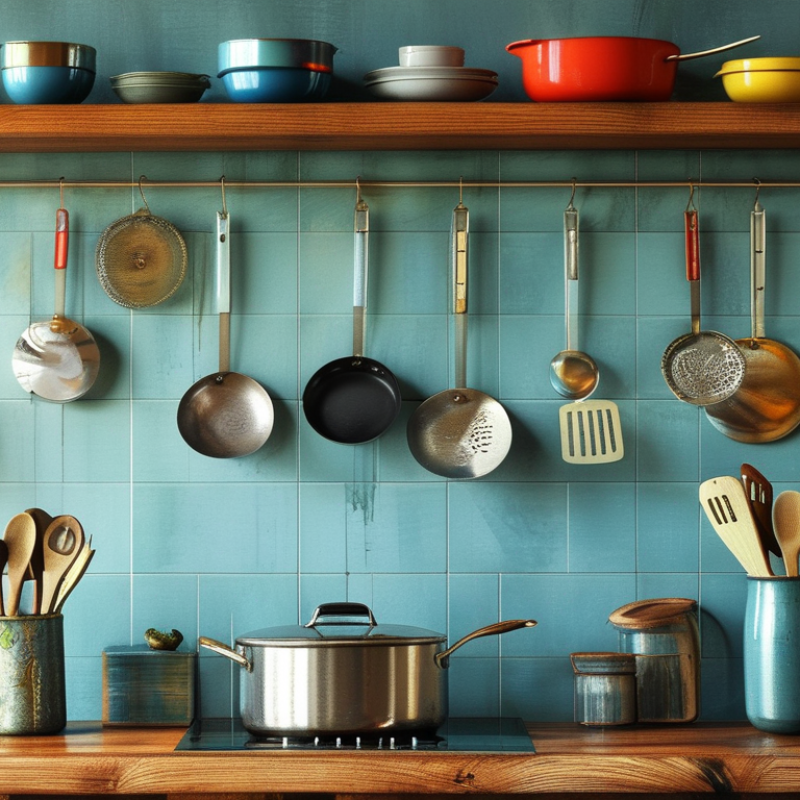
Understanding Different Types of Cookware and Their Care Requirements
Understanding different types of cookware is crucial for effective cleaning. Cookware varies widely in material, and each type has unique care requirements. For example, stainless steel is durable but can stain easily. Non-stick surfaces are convenient but require gentle handling. These differences impact how we clean our tools.
Tips: Always use non-abrasive cleaners for non-stick pans to preserve their finish. When cleaning stainless steel, avoid steel wool as it can scratch the surface. Instead, a mix of vinegar and water can help in removing stains without damage.
Cast iron cookware needs special attention. It's known for its heat retention but can rust if not cared for properly. After cleaning, dry it immediately and apply a light coat of oil to maintain the seasoning. Research shows that 70% of cookware enthusiasts recommend regular seasoning for longevity.
Be mindful, too. Over-cleaning can wear down protective layers on non-stick pans. Balancing cleanliness with care is essential for maintaining cookware quality. Not all cleaning methods suit every material, and embracing this principle leads to better, longer-lasting cookware.
Common Cleaning Agents: What to Use and What to Avoid
When cleaning cookware, choosing the right cleaning agents is crucial. Certain products can cause damage. Avoid abrasive cleaners. They can scratch non-stick surfaces. Instead, use gentle soaps with warm water. Baking soda is a great natural option. It helps lift tough stains without harm.
Vinegar is sometimes debated. While it can cut grease, it may react poorly with certain metals. Always test it on a small area first. For stainless steel, a mixture of water and vinegar can restore shine. Keep in mind that prolonged vinegar exposure may dull the finish.
Tips for cleaning: Use a soft sponge. This prevents scratches. When dealing with baked-on food, soak the cookware first. However, don’t soak for too long; it might warp. Gently scrub, focusing on problem areas. Always dry thoroughly to prevent water spots. Reflect on your cleaning routine. Is it damaging your cookware? A little care can extend its life significantly.
Step-by-Step Guide to Cleaning Non-Stick Cookware Safely
Non-stick cookware is a kitchen essential, but cleaning it requires care. Start by letting your cookware cool completely after use.
This prevents warping and maintains its non-stick surface.
Once cooled, fill the sink with warm, soapy water. Avoid aggressive scrubbing pads.
Use a soft sponge to gently wipe the surface. For stuck-on food, let it soak for a while.
A little patience goes a long way here.
When dealing with tough stains, consider using baking soda.
Make a paste with water and apply it to the problem areas. Let it sit for about 15 minutes. Then, clean it with a soft cloth.
Rinse thoroughly. Always ensure there’s no residue left behind.
This process respects the integrity of your cookware while achieving a deep clean.
Be mindful of what you use to clean. Avoid metal utensils or harsh abrasives.
They can scratch and damage the surface. While it's easy to get frustrated with stubborn residue, remember:
gentle techniques yield the best results.
Over time, you may realize that cleaning non-stick cookware isn’t just about surface shine;
it’s about preserving its functionality for many meals to come.
Effective Methods for Restoring Stainless Steel Cookware Shine
Restoring the shine of stainless steel cookware can be a straightforward task. It requires the right techniques and a bit of patience. Stainless steel is durable but can lose its luster over time. Stains and discoloration are common issues. Thankfully, these can often be resolved easily.
One effective method involves using baking soda and water. Form a paste with equal parts baking soda and water. Apply the paste to the tarnished area using a soft cloth. Rub gently to avoid scratching. Rinse the cookware thoroughly and dry it with a clean towel. This method not only cleans but also restores the surface shine.
Tip: Always use non-abrasive sponges for cleaning. Avoid steel wool or harsh chemicals. They can scratch the surface and lead to permanent damage. Regular maintenance can help prevent deep stains and restore the cookware’s appearance.
Another option is vinegar. Sprinkle vinegar on the surface, then heat it gently. This can help lift stubborn stains. Be cautious not to overheat, as it may damage the cookware. Afterward, wipe with a soft cloth and rinse well.
Tip: Test any cleaning method on a small, inconspicuous area first. This will prevent accidental damage. Consider your cookware's condition and use the gentlest method necessary. Exploring these methods can lead to shiny, clean cookware that you can be proud of.
Tips for Maintaining the Integrity of Cast Iron Cookware
Maintaining cast iron cookware requires more than just basic cleaning. A good scrub preserves its seasoning and longevity. According to a survey by the American Iron and Steel Institute, 82% of users reported that proper care increased their cookware's performance. Regular cleaning with a gentle scrubber removes food particles while preventing rust.
One common mistake is using soap. Many believe soap breaks down the seasoning; however, using a small amount of mild soap occasionally does not harm your pan. Surveys highlight that 62% of users avoid soap, fearing damage. Instead, rinse with hot water and use a stiff brush. This keeps the seasoning intact while ensuring cleanliness.
Drying immediately is crucial. Leaving moisture can lead to rust, and 70% of rusted cast iron pans stem from improper drying. Apply a thin layer of oil after drying to maintain the seasoning. This step, while simple, is often neglected. Regular inspections for any cracks or chips also help. Addressing these signs early will extend the life of your cookware, making it a long-term kitchen investment.
How to Clean Cookware Without Damaging It Safely? - Tips for Maintaining the Integrity of Cast Iron Cookware
| Cleaning Method |
Instructions |
Frequency |
Notes |
| Salt Scrub |
Sprinkle coarse salt on the pan and scrub with a non-metal brush. |
After each use |
Effective for light residue. |
| Baking Soda Paste |
Mix baking soda with water to form a paste and apply on tough stains. |
Weekly |
Rinse thoroughly after cleaning. |
| Vinegar Rinse |
Pour vinegar into the pan, heat it up slightly, then wipe clean. |
Monthly |
Helps remove mineral deposits. |
| Soapy Water Wash |
Use mild soap and warm water, scrub gently with a non-abrasive sponge. |
As needed |
Avoid excessive soap to prevent buildup. |
| Seasoning |
Apply a thin layer of vegetable oil and heat in the oven to restore non-stick surface. |
Every few months |
Helps to maintain cookware's integrity. |
Conclusion
Cleaning cookware properly is essential to maintain its longevity and performance. To understand how to clean cookware without damaging it, it’s crucial to recognize the different types of cookware available—each requiring specific care to avoid deterioration. Common cleaning agents can either be beneficial or harmful, so it's important to know which ones to utilize and which to avoid.
When dealing with non-stick cookware, a careful step-by-step guide ensures the integrity of the surface. For stainless steel, effective methods can restore its shine, while cast iron requires special attention for maintenance. By following these guidelines, you can keep your cookware in excellent condition and ensure safe, efficient cooking for years to come.

 Flair Kitchen