In today's fast-paced culinary world, understanding what are the latest trends in cookware manufacturing is crucial for both manufacturers and consumers. The cookware industry is evolving rapidly, driven by innovation and sustainability. New materials, designs, and technologies are emerging to meet the demands of modern chefs and home cooks alike.
One noticeable trend is the rise of eco-friendly materials. Many brands are investing in sustainable production methods. These efforts reflect a growing awareness of environmental impact. Another significant trend is the integration of smart technology into cookware. Smart pans with temperature control and connectivity to apps are gaining popularity. They enhance the cooking experience and improve safety.
As the industry evolves, staying informed is essential. Exploring trade shows and industry publications can provide insights. Engaging with culinary professionals can also offer valuable perspectives. This continuous learning helps in adapting to market changes. The landscape of cookware manufacturing is dynamic, and remaining aware of these trends is vital for success.
Understanding Current Consumer Preferences in Cookware Materials
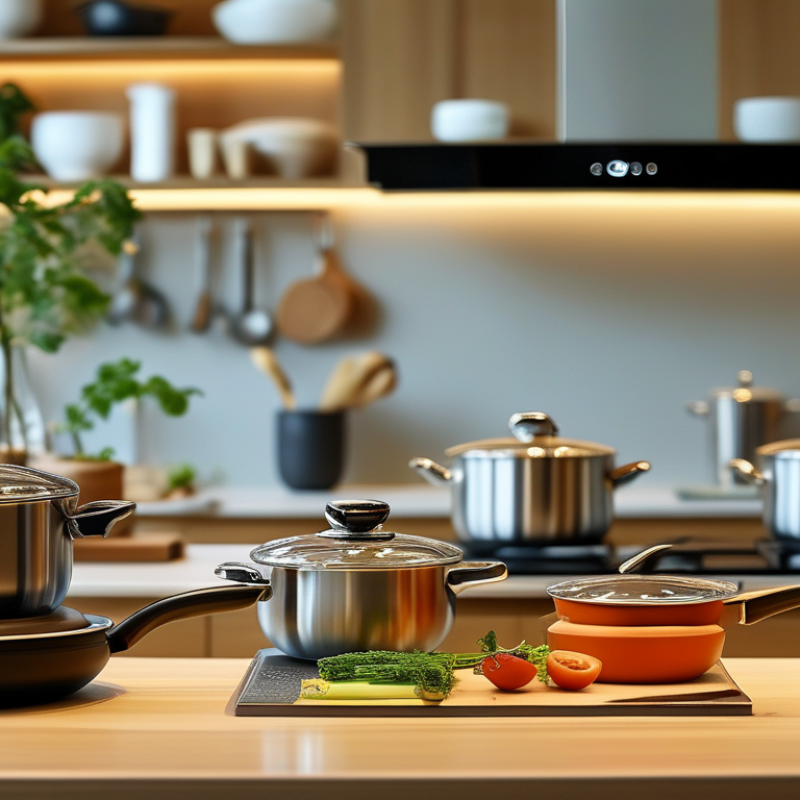
Understanding current consumer preferences in cookware materials is essential for manufacturers aiming to meet market demands. Consumers are increasingly drawn to innovative materials that combine functionality with safety. For example, ceramic and stainless steel are gaining popularity for their non-toxic properties and durability. These materials promise longer-lasting cookware without the health hazards associated with certain non-stick surfaces.
The shift toward eco-friendly options is noticeable. More consumers are looking for sustainably sourced materials. Bamboo and recycled metals are emerging as favored choices. These options not only reduce environmental impact but also resonate with the values of eco-conscious shoppers. However, not everyone is aware of the performance trade-offs. Some eco-friendly materials may not conduct heat as well. This inconsistency can lead to uneven cooking, which frustrates even the most patient home cooks.
As trends evolve, manufacturers must balance aesthetics, functionality, and sustainability. While visual appeal plays a significant role, practicality should not be overlooked. Consumers often face dilemmas in choosing between looks and performance. Understanding these complexities can guide manufacturers in developing cookware that truly meets consumer needs.
Analyzing Market Reports for Cookware Industry Growth Trends
To analyze market reports in the cookware industry, we need to focus on key growth indicators. Recent reports reveal a shift towards environmentally friendly materials. This trend reflects consumer demand for sustainability in kitchen products. A thorough review of these reports can highlight popular materials like recycled metals or biodegradable substances. Manufacturers are adapting, showing an awareness of market preferences.
Observing the sales data in different regions also provides insights. Regions with a growing interest in home cooking see a rise in cookware sales. This prompts manufacturers to adjust their product lines accordingly. Furthermore, emerging markets may show diverse demands, requiring tailored approaches. Manufacturers might need to scout local preferences and adapt designs to fit cultural cooking methods.
The reports also shed light on innovative designs that enhance user experience. Features like ergonomic handles and non-stick surfaces are gaining traction. However, some manufacturers might struggle to balance innovation with cost-efficiency. Reflecting on these challenges can lead to better strategies. Keeping up with these trends requires a commitment to ongoing research and adaptation. It is essential for staying relevant in this competitive landscape.
Examining Innovations in Non-Stick Coatings and Technologies
The innovations in non-stick coatings have transformed cookware manufacturing significantly. Advanced materials, such as ceramic and silicone blends, are now being explored. These provide not only non-stick properties but also enhanced durability. According to a recent market report, the non-stick cookware sector is projected to grow by 5% annually through 2026. This growth reflects consumer demand for healthier and more efficient cooking solutions.
One area that demands reflection is the environmental impact of traditional non-stick coatings. While they offer convenience, the production processes often raise concerns about sustainability. New advancements, like biodegradable coatings, are being tested. These innovations aim to replace harmful chemicals while maintaining performance. However, the effectiveness of these eco-friendly options remains a topic for ongoing research.
Data suggests that consumers are increasingly aware of the implications of their cookware choices. Nearly 70% prioritize health and safety in their buying decisions. Manufacturers must adapt to this trend by investing in safer, more reliable materials. This shift not only satisfies customer demands but also aligns with broader environmental goals. Keeping pace with these changes is essential for any player in the cookware market.
Evaluating Eco-Friendly Practices in Cookware Manufacturing
As the cookware industry evolves, eco-friendly practices are becoming crucial. Many manufacturers are now prioritizing sustainable materials. These include recycled stainless steel, biodegradable coatings, and non-toxic ceramics. Such materials help reduce waste and lower environmental impact.
However, not every method is flawless. Some eco-friendly materials still fall short in durability or performance. Consumers often face challenges with product longevity and efficiency. It's essential to weigh the benefits and drawbacks of these eco-conscious options.
Manufacturers must also improve their production processes. Reducing carbon emissions and energy consumption is vital. Transparent sourcing and responsible waste management should be the industry standard. Consumers have the power to influence change by supporting brands committed to sustainable practices.
Latest Trends in Eco-Friendly Cookware Manufacturing
Utilizing Social Media Insights to Track Cookware Design Trends
In today’s fast-paced culinary world, social media serves as a treasure trove for discovering cookware design trends. Platforms like Instagram, Pinterest, and TikTok showcase vibrant images, videos, and stories that highlight what’s hot in cookware. Users post their new purchases and cooking experiences, offering insight into current trends and preferences. Following key influencers can reveal what styles or functionalities are gaining traction among home cooks and professional chefs alike.
Analyzing social media insights involves observing hashtags and user interactions. For example, tags like "cookwarejourney" or "kitchenstyle" can unveil popular items and creative uses of cookware. Trends emerge from real conversations, often reflecting cultural shifts or seasonal changes. Yet, not all trends are long-lasting; some fade away after a few seasons, reflecting the fickle nature of consumer interest. It’s essential to distinguish between passing fads and the growing movements in cookware design.
However, relying exclusively on social media has its pitfalls. Trends can be skewed by influencer biases or sponsored content. Social media insights are valuable, but they don't always represent the full market landscape. Brands must look beyond flashy posts to understand consumer needs deeply. Engaging directly with customers through surveys or feedback creates a more comprehensive view of cookware trends.
FAQS
: Consumers prefer ceramic and stainless steel for their non-toxic properties and durability.
Many shoppers seek sustainably sourced materials like bamboo and recycled metals to reduce environmental impact.
Some eco-friendly materials may not conduct heat as effectively, leading to uneven cooking outcomes.
Manufacturers should consider aesthetics, functionality, and sustainability to meet diverse consumer needs.
Increased interest in home cooking correlates with rising cookware sales, prompting manufacturers to adapt products.
Balancing cost and innovation can be tough, especially when striving for eco-friendly materials.
Approximately 70% of consumers prioritize health and safety when selecting cookware products.
New materials like ceramic and silicone blends provide non-stick properties with enhanced durability.
The effectiveness of biodegradable coatings is still being researched and debated.
The shift towards healthier, safer materials reflects a growing consumer demand for efficient cooking solutions.
Conclusion
In exploring what are the latest trends in cookware manufacturing, it is essential to begin with an understanding of current consumer preferences regarding cookware materials. With a growing emphasis on health and safety, consumers are gravitating towards materials that are both durable and non-toxic. Additionally, analyzing market reports reveals significant growth trends in the cookware industry, driven by innovation and rising demand.
Moreover, advancements in non-stick coatings and technologies are revolutionizing cookware functionality, making cooking and cleaning more efficient. There is also a notable shift towards eco-friendly practices in cookware manufacturing, reflecting consumers' concerns for sustainability. Finally, utilizing insights from social media helps track emerging design trends, enabling manufacturers to align their products with consumer desires and preferences effectively.

 Flair Kitchen