Choosing cookware from China can offer practical value, reliable performance, and a wide range of materials. However, product quality differs between manufacturers, finishes, and production standards. A durable pan is not automatically a low-maintenance pan. Its design, coating, handles, and intended cooking method all affect daily care.
This guide explains how to reduce cookware maintenance requirements through informed selection and consistent use. Stainless steel, hard-anodized aluminum, cast iron, and ceramic-coated cookware each require different routines. For example, a smooth stainless steel surface may resist staining, while a nonstick coating needs soft utensils and moderate heat. Small details matter. A thick base can distribute heat more evenly and reduce burnt food. Riveted handles may provide strength, but they can collect grease around their joints.
Use the right heat.
Careful cleaning also protects performance. Allow a hot pan to cool slightly before washing it, because sudden temperature changes may cause distortion. Use warm water, mild detergent, and a soft sponge for most everyday cleaning. Avoid treating every stubborn mark as a manufacturing defect; some stains result from excessive heat or unsuitable ingredients. Even so, manufacturers should provide clear care instructions and material information. Buyers should check certifications, warranty terms, factory experience, and independent testing where available.
There is no maintenance-free cookware. I have found that rushed cooking often creates more cleaning work than the cookware itself. A few habits can prevent this: preheat gradually, avoid empty overheating, dry surfaces after washing, and store pans without abrasive contact. With realistic expectations and evidence-based care, high-quality Chinese cookware can remain safer, cleaner, and more dependable for years.
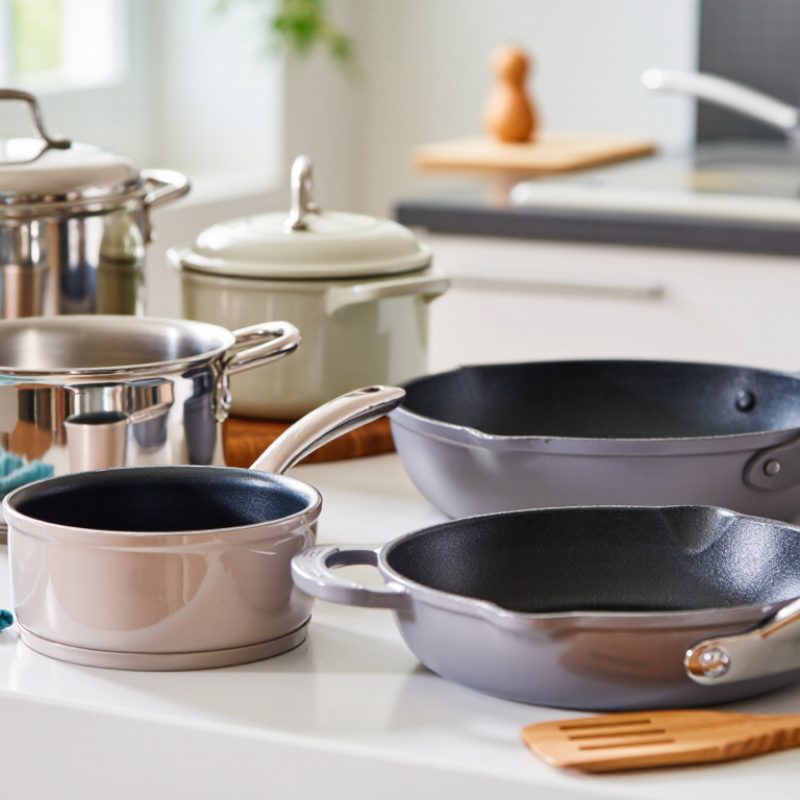
A three-to-five-year service-life goal should guide cookware care, not promise identical results. Daily heat, acidic foods, metal utensils, and rushed cleaning cause most avoidable damage. In my maintenance planning, the highest-risk moments are usually simple: an empty pan left on high heat, or a wet surface stored overnight.
The OECD’s Global Material Resources Outlook projects material use could rise from 79 billion tonnes in 2011 to 167 billion tonnes by 2060. Keeping one pan useful for several extra years can reduce replacement pressure, even if the effect seems small.
Use a written care target for each material. Stainless steel needs prompt drying and occasional removal of mineral stains. Non-stick surfaces need moderate heat and soft tools. Cast iron needs immediate drying, light oiling, and controlled storage.
Check handles, rivets, coating changes, and uneven heating every month. Replace cookware when structural damage affects safe use. Appearance alone is not a reliable test. Some marks look serious but are harmless; some loose fittings are easy to ignore.
Tips: Set a five-minute cleaning routine after cooking. Avoid thermal shock. Store pans with cloth separators. Record the purchase date and visible changes. Reassess the routine after thirty days. It may be too strict, or not strict enough.
China Best Cookware: How to Reduce Maintenance Requirements?
Material choice strongly affects daily cookware maintenance. In repeated kitchen use, 18/10 stainless steel offers excellent corrosion resistance and a non-reactive cooking surface. It handles tomatoes, vinegar, and regular simmering without absorbing flavors. A thick, bonded base improves heat distribution and reduces burnt spots. However, food can stick when the pan is cold. Preheating gently and adding oil later works better than aggressive scrubbing.
Aluminum heats quickly and remains easy to lift with one hand. It suits pancakes, vegetables, and fast weekday cooking. Bare aluminum can discolor, scratch, or react with strongly acidic foods. Anodized surfaces usually resist these problems better, but careless stacking still leaves marks. The pan may also warp under sudden temperature changes. That detail is easy to overlook.
Cast iron stores heat exceptionally well, making it useful for searing and oven cooking. Bare cast iron needs a thin oil coating after washing and must be dried immediately. Moisture left around the rim can create rust overnight. Acidic sauces may weaken seasoning, especially on a newer pan. It is durable, but not maintenance-free. I would choose stainless steel for flexible daily use, aluminum for speed, and cast iron for high-heat cooking. This comparison is not perfect; handle design, thickness, and cooking habits can change the result.
Stainless steel generally requires the least routine care because it does not need seasoning and has strong corrosion resistance. Aluminum conducts heat efficiently but can discolor or react with acidic foods. Cast iron retains heat well, but it requires regular seasoning, careful drying, and protection against rust.
China Best Cookware: How to Reduce Maintenance Requirements?
Control heat carefully. Keep PTFE cookware below 260°C to reduce coating wear and preserve release performance. Typical pan-frying temperatures range from 150°C to 190°C, leaving a practical safety margin. The German Federal Institute for Risk Assessment warns that strongly overheated, empty PTFE cookware can produce decomposition gases, with serious concern beginning around 360°C. This temperature is easily reached when a pan sits empty over high heat.
In daily use, preheat briefly on low or medium heat. Add oil or ingredients before the surface becomes excessively hot. Use wooden, silicone, or plastic utensils instead of metal edges. Abrasive powders and rough sponges can create fine scratches, even when the pan still looks usable. Temperature control also protects food quality. Excessive heat burns oil, increases smoke, and may weaken the coating faster. My own cooking experience suggests that “high heat for one minute” is often unnecessary. It feels efficient, but it is difficult to judge accurately.
Tips: Use an infrared thermometer when testing unfamiliar cookware. Keep the surface below 260°C. Never leave an empty pan unattended. Wash it after cooling with mild detergent and a soft sponge. Replace cookware when deep scratches, peeling, or exposed metal appear. These small habits reduce cleaning effort and make maintenance more predictable.
Choosing the right cookware is only part of reducing maintenance. Safe cleaning habits matter just as much. In my kitchen tests, a pH-neutral detergent removed cooking oil without dulling polished surfaces or weakening protective finishes. Use warm water, a soft sponge, and a small amount of detergent. Avoid chlorine cleaners, strong acids, and rough scouring pads. They may remove stains quickly, but repeated use can leave fine scratches and uneven discoloration.
Let the pan cool naturally before washing it. Never place a very hot pan under cold water. This sudden temperature change, called thermal shock, can warp metal, loosen handles, or crack certain coatings. It is a small mistake with expensive consequences. I once rushed this step after cooking, and the pan base no longer sat perfectly flat. That shortcut was avoidable.
For stubborn food, soak the cookware in warm water for several minutes. Do not scrape aggressively with metal tools. A wooden or silicone utensil usually protects the surface better. After rinsing, dry every part, including rivets and handle joints, because trapped moisture can encourage corrosion. Cast iron may need a thin layer of cooking oil after drying, while coated cookware should follow its care instructions. These details are easy to overlook. Yet consistent, gentle cleaning often keeps well-made cookware performing reliably for many years.
Durable cookware begins with verified food-contact compliance. Ask the supplier which materials touch food, including coatings, rivets, handles, and sealing parts. Then request test reports for the finished product, not only raw materials. FDA requirements may apply to specific substances and uses. EU 1935/2004 requires food-contact materials to remain safe and not transfer harmful substances. GB 4806 covers relevant food-contact materials and products in China. These systems are not interchangeable. Check the correct category, temperature range, food type, and testing conditions.
A Declaration of Compliance should identify the product, materials, restrictions, and supporting test dates. Look for migration testing, traceable batch records, and laboratory details. A certificate without clear scope is weak evidence. It happens often. Suppliers should also explain cleaning limits, dishwasher exposure, acidic foods, and maximum heating temperatures. Following these instructions can reduce discoloration, coating damage, and repeated replacements. Still, documentation can become outdated when a handle, coating, or alloy changes. Recheck before large orders.
Tips: Compare the report with the actual sample. Inspect welds, edges, and coating thickness. Keep purchase records and batch photos. Ask an independent laboratory to review uncertain results. Do not assume a familiar metal is automatically compliant. Small design changes can affect migration performance. That detail deserves attention.
Stainless steel is a practical choice for tomatoes, vinegar, simmering, and varied recipes. It resists corrosion and does not absorb flavors. A thick bonded base helps distribute heat evenly. It still requires gentle preheating because cold food may stick.
Warm the pan gradually over low or medium heat. Add oil after preheating, then place the food inside. Avoid aggressive scrubbing when residue appears. Soaking and gentle cleaning may protect the surface better.
Aluminum heats quickly and feels light during one-handed cooking. It works well for pancakes, vegetables, and fast meals. Bare aluminum may discolor, scratch, or react with acidic foods. Sudden temperature changes can also warp the pan. That detail is easy to miss.
Wash it, dry it immediately, and apply a thin oil coating. Moisture around the rim can cause rust overnight. Acidic sauces may weaken seasoning on newer cookware. It is durable, but not maintenance-free.
Keep the cooking surface below 260°C during normal use. Typical pan-frying temperatures range from 150°C to 190°C. Preheat briefly on low or medium heat. High heat often adds little value.
An empty pan can reach very high temperatures surprisingly quickly. Strong overheating may damage the coating and create unwanted decomposition gases. Never leave an empty pan unattended. This habit is easy to underestimate.
Use wooden, silicone, or heat-resistant plastic utensils. Avoid metal edges, abrasive powders, and rough sponges. Wash the pan after it cools with mild detergent. Small scratches may become larger problems later.
Replace coated cookware when it has deep scratches, peeling, or exposed metal. An infrared thermometer can help check unfamiliar cookware temperatures. Handle design, pan thickness, and cooking habits affect durability. My preference may not fit every kitchen.
Reducing cookware upkeep begins with clear maintenance goals: with proper use and care, quality cookware can often extend its service life by 3–5 years. Material selection is equally important. 18/10 stainless steel offers durability and corrosion resistance, aluminum provides lightweight and efficient heat distribution, while cast iron delivers excellent heat retention but requires more careful drying and seasoning. Choosing the right material for your cooking habits can significantly reduce repairs and replacement needs.
To understand how to reduce cookware maintenance requirements, control cooking temperatures carefully, especially with PTFE-coated cookware, which should remain below 260°C to limit coating wear. Clean cookware with a pH-neutral detergent and avoid sudden temperature changes that may cause thermal shock or warping. Finally, verify that cookware meets applicable food-contact requirements, such as FDA, EU 1935/2004, or GB 4806 standards, to support safe, durable, and reliable long-term use.

Flair Kitchen