What Cookware is Safest for Cooking in 2026?

Time:2026-06-29 Author:Oliver
0%

In 2026, the question on everyone’s mind is, "what cookware is safest for cooking?" As health consciousness rises, many cooks are looking for safer options. The cookware we use can significantly impact our well-being. Many materials have been scrutinized for their safety levels.

Stainless steel, cast iron, and ceramic are popular choices, each with unique attributes. Stainless steel is durable and non-reactive but can leach nickel. Cast iron provides excellent heat retention but needs proper seasoning. Ceramic is non-toxic but may chip if handled poorly. Each option presents its pros and cons, and discerning which is safest requires deeper reflection.

Cookware safety also depends on how we use it. Choosing the right utensils matters. Avoiding high heat on certain materials can extend their lifespan. Thoughtful choices and proper care can ensure that our cookware doesn't compromise our health. This conversation about safety continues to evolve, prompting cooks everywhere to rethink their choices.
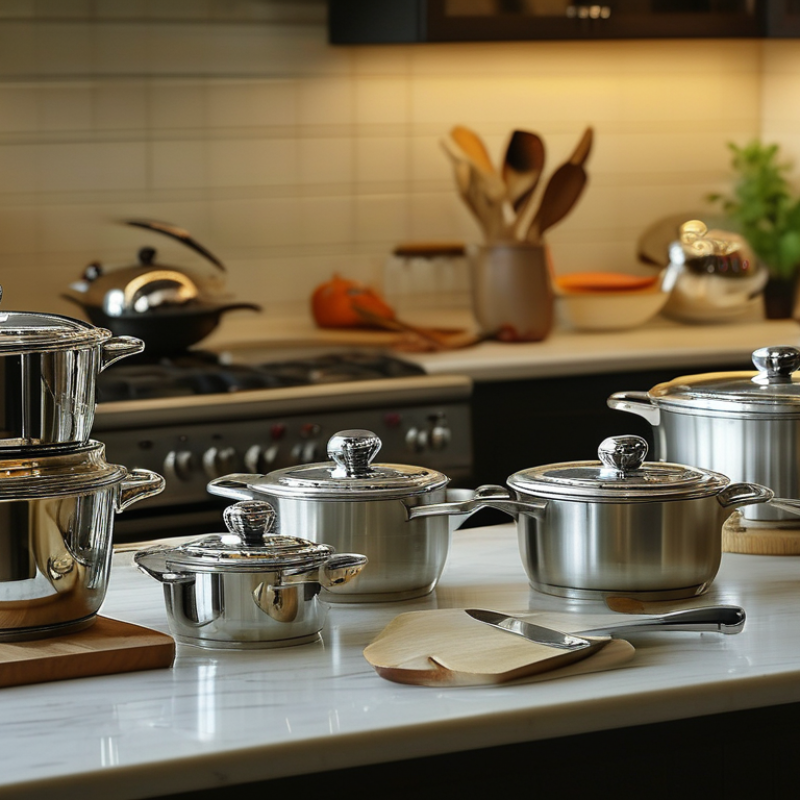
What Cookware is Safest for Cooking in 2026?

Understanding Cookware Safety Standards in 2026

As we prepare for 2026, understanding cookware safety is essential. Cookware materials can significantly impact health. Non-stick pans, for example, often contain chemicals that may leach into food at high temperatures. Research indicates that such chemicals may disrupt hormones. Choosing safer alternatives is vital.

Materials like stainless steel and cast iron are gaining popularity. They offer durability and safety. These materials do not release harmful substances during cooking. However, the layer of safety can vary. Some stainless steel cookware may contain nickel, which can cause allergic reactions in sensitive individuals. Thus, knowing the composition is crucial.

When evaluating safety standards, check for certifications. Look for options that adhere to stringent guidelines. These may include limits on heavy metals and toxicity. The world of cookware is evolving, but consumers must remain vigilant. Cooking with awareness ensures better health choices in our kitchens.

What Cookware is Safest for Cooking in 2026? - Understanding Cookware Safety Standards in 2026

Cookware Type Material Heat Resistance (°C) Non-Stick Coating Durability (Years) Safety Standards Met
Frying Pan Stainless Steel 260 No 10+ FDA, LFGB
Saucepan Ceramic 300 Yes 5-7 FDA, EPA
Stockpot Cast Iron 400 No 20+ FDA, ASTM
Baking Dish Glass 260 No 5-10 FDA, ISO
Wok Carbon Steel 250 No 10+ FDA, LFGB

Common Materials Used in Safe Cookware

When considering safe cookware in 2026, several materials stand out. Stainless steel is a popular choice due to its durability and resistance to leaching. Many experts recommend it for its non-reactive properties. A report from the Cookware Safety Alliance states that stainless steel can withstand high temperatures without degrading. This makes it suitable for various cooking methods.

Cast iron is another favored option. It provides excellent heat retention, and many chefs appreciate its versatility. According to a study by the Culinary Institute, cast iron can release beneficial iron into food. However, it requires regular seasoning to prevent rust, posing a challenge for some home cooks.

Ceramic cookware has gained traction for its non-toxic nature. It is often seen as a safer alternative to non-stick options. The Environmental Working Group highlights that many ceramic options are free from harmful chemicals. Still, the durability of these coatings can vary. Not all ceramic cookware holds up under high heat or frequent use. Careful selection is essential for ensuring safety and longevity.

What Cookware is Safest for Cooking in 2026?

Health Risks Associated with Different Cookware Types

When considering the health risks associated with different cookware types, several studies highlight potential dangers. For instance, non-stick pans coated with PTFE may release harmful fumes when overheated, posing a risk to both pets and humans. Research indicates that overheating these pans can lead to flu-like symptoms, often referred to as “polymer fume fever.” The American Lung Association emphasizes the importance of temperature control to mitigate such risks.

In contrast, ceramic cookware is often praised for its safety. A report by the Consumer Product Safety Commission notes that certain ceramic options are free from harmful chemicals like lead and cadmium. However, the durability of ceramic coatings can deteriorate over time, leading to chips and cracks. Once damaged, ceramic can leach substances into food, raising health concerns.

Stainless steel cookware is another option, known for its resilience and safety. According to the National Institute of Health, stainless steel does not react with acidic foods. However, there is still a slight risk of nickel leaching, especially in individuals with metal sensitivities. This highlights the need for careful consideration when selecting cookware, as the materials used can significantly affect health outcomes in the kitchen.

Innovative Cookware Technologies to Watch in 2026

As we look towards 2026, innovative cookware technologies are set to redefine kitchen safety and efficiency. One key trend is the development of non-toxic, ceramic-based coatings. A report by the Global Cookware Market Association states that these coatings reduce chemical leaching, even under high temperatures. This advancement addresses growing concerns about traditional non-stick cookware, which can release harmful substances when overheated.

Another significant innovation is the rise of smart cookware. Devices equipped with sensors and connectivity capabilities enhance the cooking experience. According to a survey by the Smart Kitchen Summit, 65% of consumers are interested in cookware that provides real-time cooking guidance through apps. This technology not only improves cooking precision but also helps reduce energy consumption in the kitchen.

However, with these advancements comes the need for critical evaluation. Many smart cookware solutions require regular software updates and internet access, which can be challenging for some users. Moreover, the long-term durability of ceramic coatings remains under scrutiny. Ensuring that these products meet safety standards is paramount as the industry evolves. The innovations are exciting, but they also invite reflection on usability and reliability in a rapidly changing culinary landscape.

Best Practices for Maintaining Safe Cookware

Maintaining safe cookware requires mindful practices that prioritize health and safety. Start by inspecting your pots and pans regularly. Look for signs of wear, such as scratches or flaking surfaces. Non-stick coatings can degrade over time. If they start peeling, it's time to replace them to prevent any harmful particles from entering your food.

Cleaning is crucial. Use gentle sponges and avoid harsh chemicals that can damage surfaces. Hot water and mild dish soap usually do the trick. Remember, even stainless steel can harbor bacteria if not cleaned properly. Pay attention to your kitchen's humidity as well. Moist environments can lead to rust, particularly in cast iron cookware.

Store your cookware properly to extend its life. Stacking pots and pans can create scratches. Consider using pot protectors for added safety. This small effort can prevent future cooking mishaps. Reflect on your cooking habits. Are you choosing the right cookware for each meal? Adapting to your tools is part of ensuring safety in your kitchen.

FAQS

: What are the benefits of ceramic-based coatings in cookware?

: Ceramic-based coatings reduce chemical leaching, even at high temperatures. This enhances safety during cooking.

How can smart cookware improve the cooking experience?

Smart cookware provides real-time cooking guidance via apps. This can increase precision and reduce energy usage.

What challenges do smart cookware technologies face?

Many smart devices need regular software updates. Some users may struggle with internet access.

How should I maintain my non-stick cookware?

Inspect regularly for scratches or peeling. If damaged, replace to avoid harmful particles in food.

What cleaning methods are recommended for cookware?

Use gentle sponges with hot water and mild dish soap. Avoid harsh chemicals to protect surfaces.

Why is kitchen humidity a concern for cookware?

High humidity can lead to rust, especially in cast iron. Keep cookware stored in dry conditions to prevent damage.

How can I store my pots and pans safely?

Avoid stacking directly. Use pot protectors to prevent scratches and extend the life of your cookware.

Should I reflect on my cooking habits?

Yes, consider whether you choose the right cookware for your meals. Adapting is key for kitchen safety.

What is a potential drawback of ceramic coatings?

The durability of ceramic coatings is still under scrutiny. This raises questions about their long-term reliability.

Conclusion

As we explore the question of "what cookware is safest for cooking" in 2026, it's essential to understand the evolving safety standards that govern cookware materials. Cookware made from stainless steel, cast iron, and certain ceramics are widely recognized for their safety, while materials like Teflon and some non-stick coatings present potential health risks when overheated or scratched.

Furthermore, innovative cookware technologies, such as those incorporating advanced non-toxic coatings or smart temperature control features, are emerging as safer alternatives. Maintaining safe cookware involves regular inspection for damage, proper usage, and adherence to cleaning guidelines to ensure longevity and safety. By staying informed about these factors, cooks can make more informed decisions about their cookware, ultimately prioritizing health and safety in their culinary practices.

Oliver

Oliver

Oliver is a seasoned marketing professional with a wealth of expertise in driving brand awareness and engagement. With a deep understanding of our company's product offerings, he consistently delivers high-quality content that enriches our professional blog. His insights not only shed light on......