Top 10 Tips to Extend the Lifespan of Your Cookware?

Time:2026-08-18 Author:Oliver
0%

Cookware is essential in every kitchen, and its longevity is crucial for effective cooking. According to a report by the Cookware Manufacturers Association, around 30% of households replace their cookware every few years due to wear and tear. This statistic highlights a significant opportunity for improvement. Learning how to extend the lifespan of cookware can lead to savings and enhanced cooking experiences.

Expert Julie Blanchard, a well-known culinary consultant, emphasizes, "Caring for your cookware is as vital as the ingredients you use." Proper maintenance can dramatically enhance the durability of pots and pans. Simple practices like avoiding metal utensils on non-stick surfaces or properly drying after washing can make a difference.

Despite our best intentions, many overlook these practices. For instance, too much heat or harsh cleaning agents can damage cookware over time. Making a few adjustments in our daily routines could ensure our tools last longer. Recognizing these simple truths can help us take better care of our cookware, ultimately benefiting our culinary adventures.
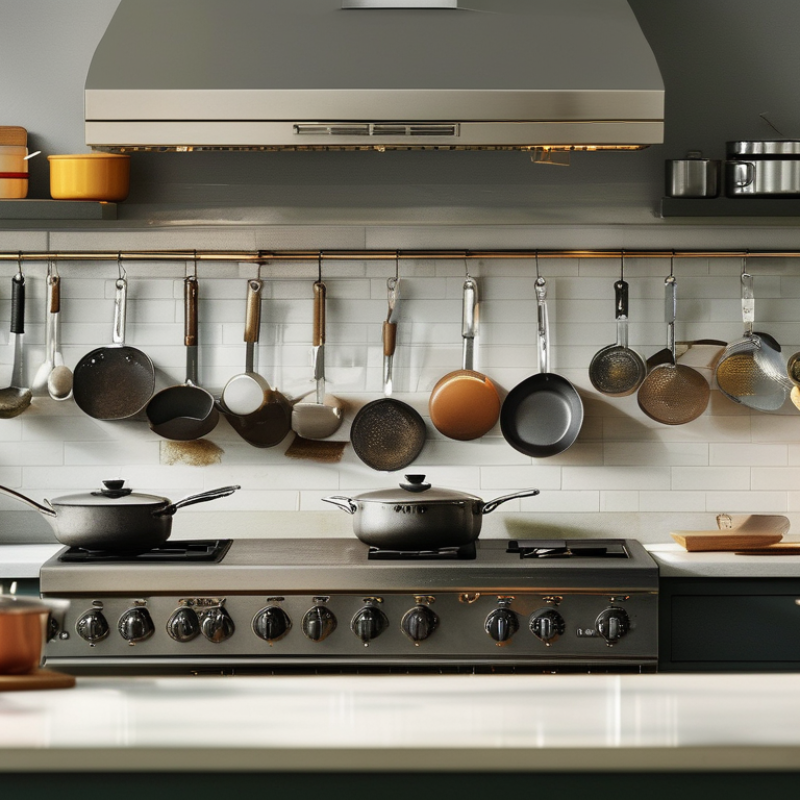
Top 10 Tips to Extend the Lifespan of Your Cookware?

Understanding Different Types of Cookware Materials and Their Care

When it comes to cookware, choosing the right material is crucial for longevity. Stainless steel, cast iron, non-stick, and copper each have unique properties and care requirements. For instance, stainless steel is durable and resistant to rust, making it a popular choice. However, it can become discolored with high heat over time.

To extend the lifespan of your cookware, proper maintenance is key. Always use suitable utensils. Wooden or silicone tools are less likely to scratch non-stick surfaces. Avoid using metal utensils that can degrade the cooking surface.

Cast iron requires particular attention. After cooking, clean it with warm water and a soft brush. Avoid soap, as it can strip away the seasoning layer. Remember to dry it thoroughly and apply a thin layer of oil to prevent rust.

Non-stick pans need special care too. High heat can damage their coating. Use them on low to medium heat for optimal performance. Regularly replacing scratched non-stick cookware may be necessary.

Every type of cookware demands unique care, but being mindful can prolong their life. Remember that even the best cookware can wear down. Regular assessments of your pots and pans can help you address any issues early.

Proper Cleaning Techniques to Avoid Damage and Scratches

When it comes to cookware, proper cleaning techniques are vital. The right methods can prevent damage and prolong the life of your pots and pans. Start with gentle sponges. Avoid steel wool, as it can scratch surfaces. Instead, use a soft cloth or sponge to wipe away food residues.

Rinsing cookware immediately after use is crucial. Leaving food to dry can lead to tough stains. Hot water is your best ally here. A quick soak can loosen stubborn bits. Remember, avoid harsh chemicals. They can erode non-stick coatings.

Invest time in choosing the right cleaning solutions. Natural alternatives, like baking soda or vinegar, work wonders without harsh effects. For tougher stains, a mixture of baking soda and water can offer a safer option. Regular maintenance with these techniques can save you from costly replacements. Reflecting on these practices can improve your cleaning game significantly.

The Importance of Temperature Control in Cookware Use

Temperature control plays a crucial role in maximizing the lifespan of your cookware. Different materials react differently to heat. For instance, stainless steel is durable but can warp if exposed to extreme temperatures. Cast iron benefits from gradual heating but can crack if heated too quickly. It's essential to understand these properties to avoid damaging your pots and pans.

Always preheat your cookware slowly. Sudden temperature changes can cause stress and lead to warping. Avoid using high heat for non-stick cookware. Instead, use medium heat to preserve the coating and prevent peeling. It's tempting to crank up the heat for quicker cooking, but patience pays off. Overheating can lead to food sticking and a shorter lifespan for your kitchen essentials.

Monitoring cooking temperatures can also aid in energy efficiency. Cooking at the right temperature prevents energy waste and optimizes cooking times. Pay attention to your stovetop settings. Sometimes, lower heat settings can achieve the same results as those high flames. This awareness shows respect for both your cookware and your kitchen environment. Regularly reflecting on your cooking habits can lead to smarter, more sustainable choices.

Top 10 Tips to Extend the Lifespan of Your Cookware

Tip Description Importance of Temperature Control
1. Use Proper Utensils Always opt for silicone, wood, or plastic utensils to prevent scratches. Using the right tools helps to maintain a stable cooking temperature, avoiding hotspots.
2. Control Heat Levels Start cooking at low to medium heat to avoid warping. Consistent heat prevents uneven cooking and prolongs cookware life.
3. Avoid Extreme Temperature Changes Don't plunge hot cookware into cold water. Sudden temperature changes can lead to cracking and warping.
4. Proper Cleaning Techniques Use non-abrasive cleaners and sponges. Gentle cleaning maintains the surface integrity, ensuring even heat distribution.
5. Store Carefully Avoid stacking cookware without protection. Proper storage helps prevent scratches that can affect cooking performance.
6. Season Your Cookware Regularly season cast iron to maintain its non-stick surface. Seasoning aids in heat retention and creates a more consistent cooking surface.
7. Avoid High Heat Cooking Keep temperatures moderate for non-stick and stainless steel. Excessive heat can damage non-stick coatings and warp metals.
8. Regular Inspections Check for signs of wear or damage. Timely checks ensure safety and efficiency in cooking temperatures.
9. Follow Manufacturer Instructions Use cookware as suggested in the guidelines. Understanding specific temperature limits helps to avoid damage.
10. Invest in Quality Cookware High-quality materials last longer and perform better under heat. Investing in good cookware ensures better heat distribution and longevity.

Using Appropriate Utensils to Preserve Cookware Longevity

Using appropriate utensils is crucial for maintaining the longevity of your cookware. Many people underestimate how utensils can damage surfaces. For instance, metal utensils can scratch nonstick coatings, leading to peeling and flaking. According to a study by the American Institute for Stress, damage from improper utensils can reduce cookware lifespan by nearly 50%.

Silicone, wood, or plastic utensils are recommended. These materials are gentle on surfaces and less likely to cause harm. A survey by the Culinary Institute shows that 70% of home cooks believe using the right tools improves their cooking experience. Proper utensil usage ensures that heat distribution remains even and prevents warping over time.

Cleaning is another area where people often overlook care. Using abrasive sponges can scratch cookware. A report by the Professional Cookware Council indicates that a scratched surface can lead to uneven cooking, affecting food quality. Being mindful of utensil choices and cleaning methods can significantly enhance the lifespan of cookware, sometimes extending it beyond a decade.

Storage Tips to Prevent Cookware Warping and Scratching

When it comes to storing your cookware, proper techniques can prevent warping and scratching. Cookware can be sensitive to changes in temperature and pressure. Ensuring they are stored correctly helps maintain their quality and usability.

One useful tip is to stack your pots and pans with care. Placing a soft cloth or paper towel between stacked items can prevent scratches. It's an easy step that adds a layer of protection. Avoid using metal utensils when storing as they can cause unwanted marks.

Also, consider the placement of your cookware. Store heavier items, like cast iron, on lower shelves. This helps avoid accidents and keeps your items stable. Keeping lids separate is wise; they can warp if placed inappropriately. You may need to rethink your storage design if you find constant rearranging necessary. It’s a small change that could save you from replacing damaged pieces later.

FAQS

: Why is temperature control important in cookware use?

: It maximizes cookware lifespan and prevents damage. Different materials react distinctively to heat.

How should I preheat my cookware?

Always preheat slowly to avoid sudden temperature changes. This helps prevent warping.

What heat should I use for non-stick cookware?

Use medium heat only. High heat can damage the coating and lead to peeling.

Can cooking temperature affect energy efficiency?

Yes, cooking at the right temperature prevents energy waste and optimizes cooking times.

How can I store cookware to prevent warping?

Stack pots and pans carefully. Use soft cloths or paper towels between items.

Are metal utensils safe for storing cookware?

No, avoid metal utensils as they can cause scratches and damage.

Where is the best place to store heavy cookware?

Store heavy items on lower shelves to ensure stability and prevent accidents.

Should lids be stored with pots and pans?

No, keep lids separate as they can warp when not stored properly.

What changes can help maintain cookware quality?

Regularly assess your cooking and storage habits. Small changes can prevent damage.

Is patience important when cooking?

Yes, rushing with high heat can lead to sticking and a shorter cookware lifespan.

Conclusion

In the pursuit of knowing how to extend the lifespan of cookware, it is essential to understand the various types of cookware materials and their specific care requirements. Different materials, from stainless steel to non-stick surfaces, necessitate unique maintenance strategies to keep them in optimal condition. Proper cleaning techniques play a crucial role in avoiding damage and scratches, ensuring your cookware remains functional and visually appealing.

Additionally, mastering temperature control during cooking and using appropriate utensils can significantly enhance the durability of your cookware. High heat can warp materials, while using metal utensils on non-stick surfaces can cause irreparable harm. Lastly, implementing effective storage methods, such as avoiding stacking incompatible items, will help prevent warping and scratching. By following these tips, you can greatly extend the lifespan of your cookware, making your investment last longer.

Oliver

Oliver

Oliver is a seasoned marketing professional with a wealth of expertise in driving brand awareness and engagement. With a deep understanding of our company's product offerings, he consistently delivers high-quality content that enriches our professional blog. His insights not only shed light on......