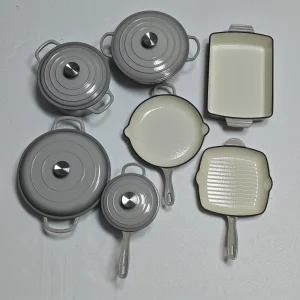
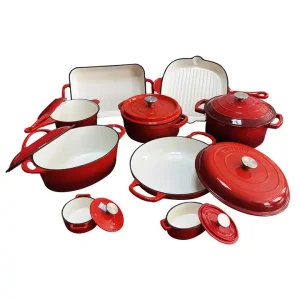
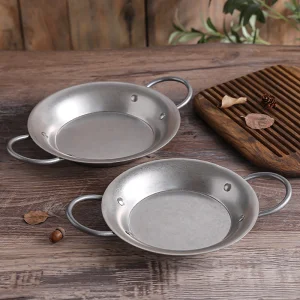
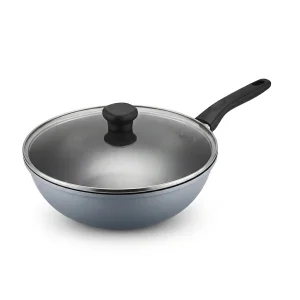
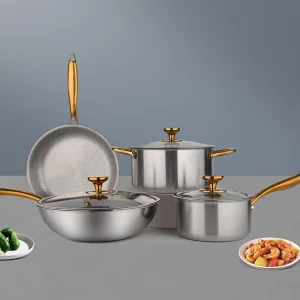
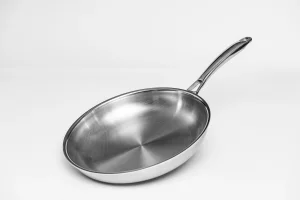
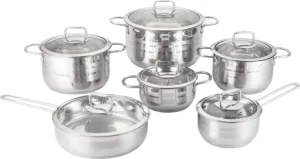
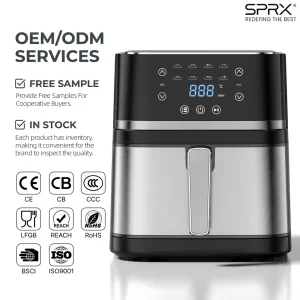
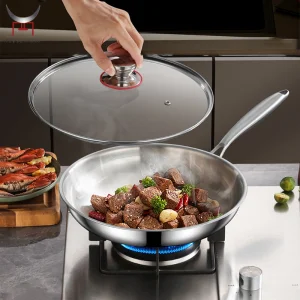
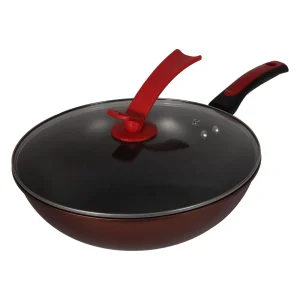
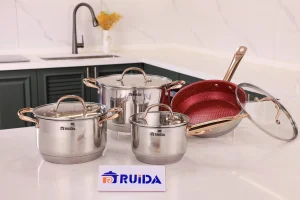
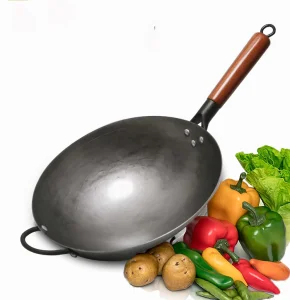
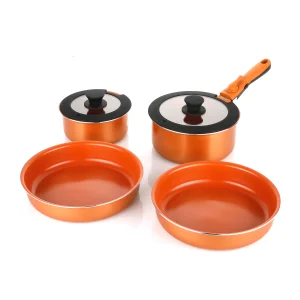
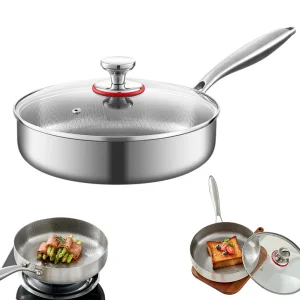
Explore our core product lines manufactured at our state-of-the-art facilities in Dongguan. Designed for global distributors, retail brands, and premium commercial kitchen clients demanding strict compliance, exceptional thermal distribution, and advanced surface finishes.
In the highly competitive kitchenware and hospitality supply chain markets, selecting an authorized, engineering-focused manufacturer is paramount. Global brands require partners who do not merely assemble products, but actively refine metallurgical compositions, provide design and prototyping speed, and satisfy international safety frameworks.
As a leading Chinese cookware enterprise, Dongguan Flair Kitchen Co., Ltd. stands at the forefront of this industrial paradigm. We specialize in engineering premium non-stick cookware, multi-ply stainless steel cookware, and customized culinary utensils. By bridging state-of-the-art automated manufacturing processes with specialized metal alloys, we empower global kitchenware brands, commercial retail channels, and distributors with highly resilient products built for modern culinary environments.
Our operational strategy focuses heavily on the integration of material science, structural engineering, and responsive supply chain logistics. By utilizing premium AISI 304, AISI 316, and induction-ready AISI 430 stainless steel, we ensure that every batch of cookware leaving our facility is resistant to chemical pitting, maintains precise heat distribution, and displays exceptional structural integrity under thermal stress.
Premium stainless steel cookware relies on complex multi-ply cladding technology to overcome the natural thermal limitations of raw stainless steel. While stainless steel is incredibly durable and chemically inert, its thermal conductivity is relatively low. To achieve uniform heat distribution, professional grade pots and pans employ a composite layered architecture.
| Layer Component | Material Specification | Primary Function & Engineering Value |
|---|---|---|
| Interior Contact Surface | Austenitic Stainless Steel (AISI 304 / 18/10 or AISI 316) | Protects food from heavy metal leaching; offers high corrosion resistance against organic acids; provides clean release and sanitation. |
| Core Heat Conductor | Pure Aluminum (1050 alloy) / Aluminum Alloy (3003) | Ensures high thermal transfer and uniform heat dispersion across the base and up the sidewalls of the vessel; eliminates hot spots. |
| Exterior Induction Base | Ferritic Stainless Steel (AISI 430 / 18/0) | Provides magnetic permeability required for induction hobs; protects the structural form against thermal deformation and mechanical wear. |
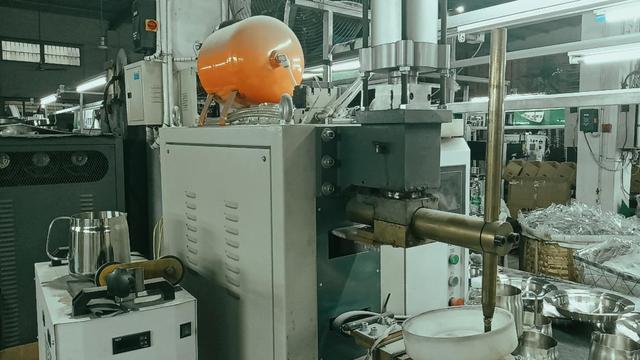
Our manufacturing facility utilizes high-tonnage hydraulic presses and advanced thermal bonding techniques to clad these distinct metal layers under heat and intense pressure. The result is a single, inseparable composite sheet that is deep-drawn into the final vessel shape. This tri-ply or five-ply construction runs from the base all the way to the rim, ensuring that heat is transferred rapidly and evenly, cutting down energy consumption during cooking operations and avoiding food scorching.
Moreover, for our non-stick lines, we utilize advanced textured matrices, such as our Micro-Dot Engraving Technology. By creating raised stainless steel structures that shield the recessed non-stick coating from utensil contact, we dramatically extend the lifespan of the non-stick pan, satisfying the heavy usage demands of professional and residential users alike.
Procuring stainless steel utensils and cookware at an industrial scale involves navigating complex supply chain variables. Global sourcing directors must account for regulatory frameworks, quality metrics, logistics, and vendor reliability. Here is an overview of the key performance indicators (KPIs) our buyers prioritize:
At Dongguan Flair Kitchen Co., Ltd., we mitigate client sourcing risks by enforcing strict quality assurance protocols at every stage of production. From raw material intake to final packaging, each batch must pass through detailed quality gates:
We begin by testing the chemistry of incoming metal coils using handheld XRF spectrometers to ensure our stainless steel maintains the required Nickel and Chromium levels. During manufacturing, the pots are checked for dimensional accuracy, bottom flatness, and wall thickness consistency. For non-stick items, we perform cross-hatch adhesion, dry-film thickness, and thermal shock testing. These steps guarantee that our pans will not warp or lose their coating even under rapid temperature changes.
The global stainless steel cookware market is evolving rapidly, driven by changing consumer preferences, technological advancements, and a growing focus on sustainability. Sourcing departments need to stay ahead of these trends to remain competitive:
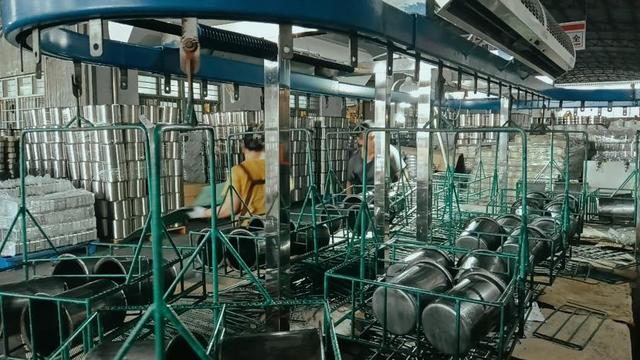
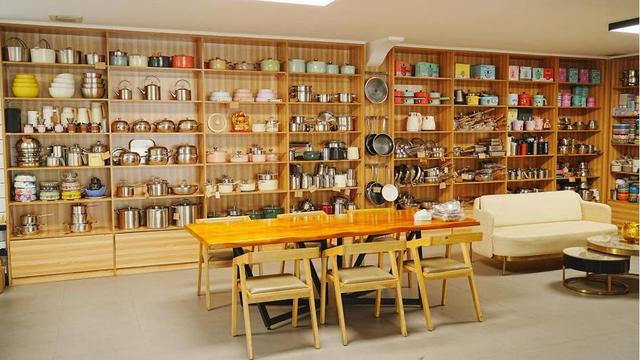
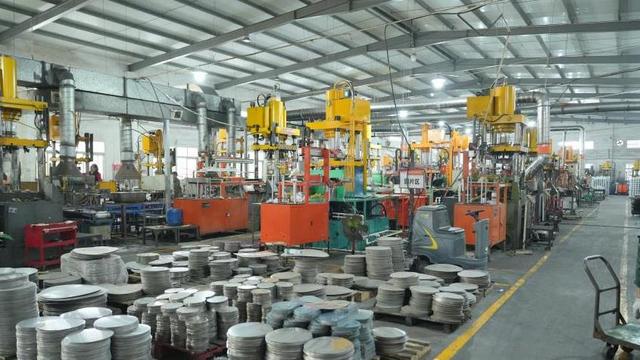
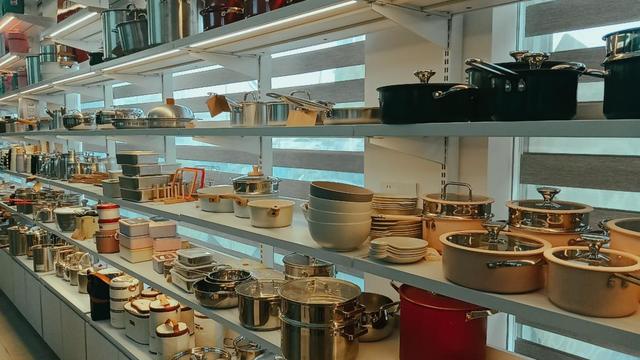
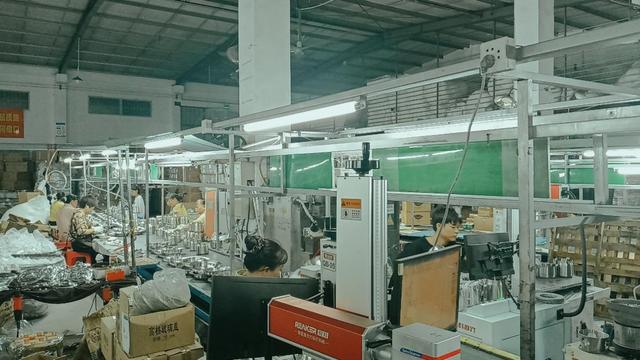
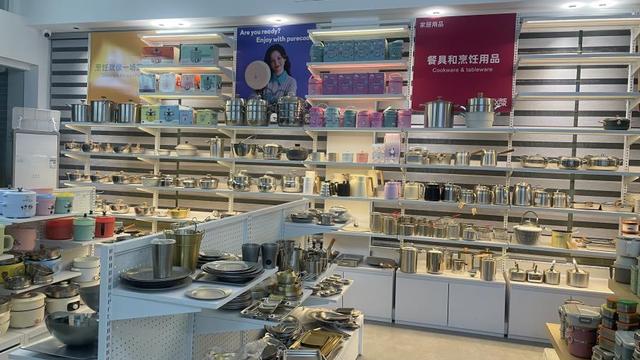
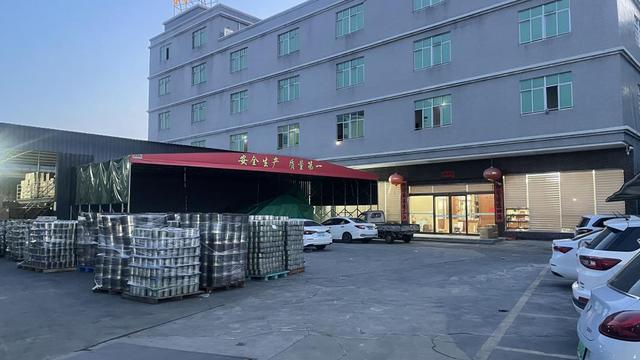
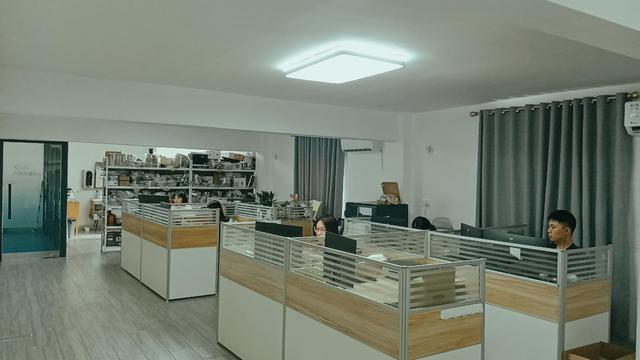
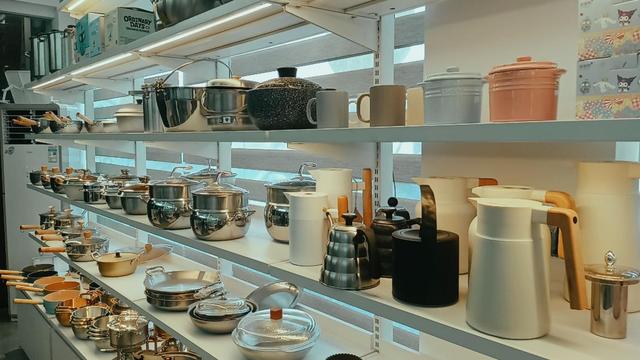
Below is a visual overview of Dongguan Flair Kitchen's manufacturing plants, showing our specialized deep-draw presses, mechanical polishing lines, assembly sectors, and logistics infrastructure. We welcome prospective buyers to visit our facility or arrange third-party factory audits (BSCI, SGS, TÜV Rheinland).
For custom ODM/OEM designs requiring dedicated tooling, our typical MOQ starts at 1,000 units per size/SKU. For standard configurations with logo modifications or custom packaging, we can often accommodate lower order sizes. Please contact our sales team to discuss your specific requirements.
We work closely with third-party testing labs such as SGS and TÜV. Every product run uses traceable raw material sheets accompanied by mill test certificates. We perform regular chemical migration tests to confirm our cookware meets or exceeds FDA and LFGB requirements.
Yes. Our factory features high-tonnage hydraulic deep-draw presses specifically designed for bonding composite metal sheets. We specialize in producing 3-ply, 5-ply, and custom copper-core cladded cookware, providing uniform heat distribution all the way to the rim.
Once CAD drawings are approved, physical prototypes are ready in 15 to 20 days. Mass production tooling and first-batch output typically take 40 to 50 days, depending on order size and design complexity.
We optimize our outer induction layer by using high-grade magnetic AISI 430 stainless steel. Our stamping process also leaves a slight inward concavity in the base. This compensates for metal expansion when heated, keeping the pan perfectly flat and stable on induction cooktops.
We offer traditional PTFE non-stick options from leading global brands, along with newer, eco-friendly sol-gel ceramic coatings. All non-stick products are guaranteed to be 100% free of PFOA, lead, and cadmium.
Absolutely. We welcome visits and audits from our B2B customers, their local teams, or designated third-party agencies (such as BSCI or ISO auditors). We believe in transparent operations and will support your audit process.
We provide full retail packaging support. This includes corrugated color boxes, litho-printed sleeves, interior pulp trays, and master shipping cartons designed to pass drop-test standards (ISTA-3A or 1A) for e-commerce and retail channels.
Explore additional specialized cookware and accessories. These products combine cast iron, copper accents, and multi-ply steel options to help premium brands expand their product catalogs.
 Flair Kitchen